Pediatric Neurosurgery

Congenital Hydrocephalus
CSF DISORDERS

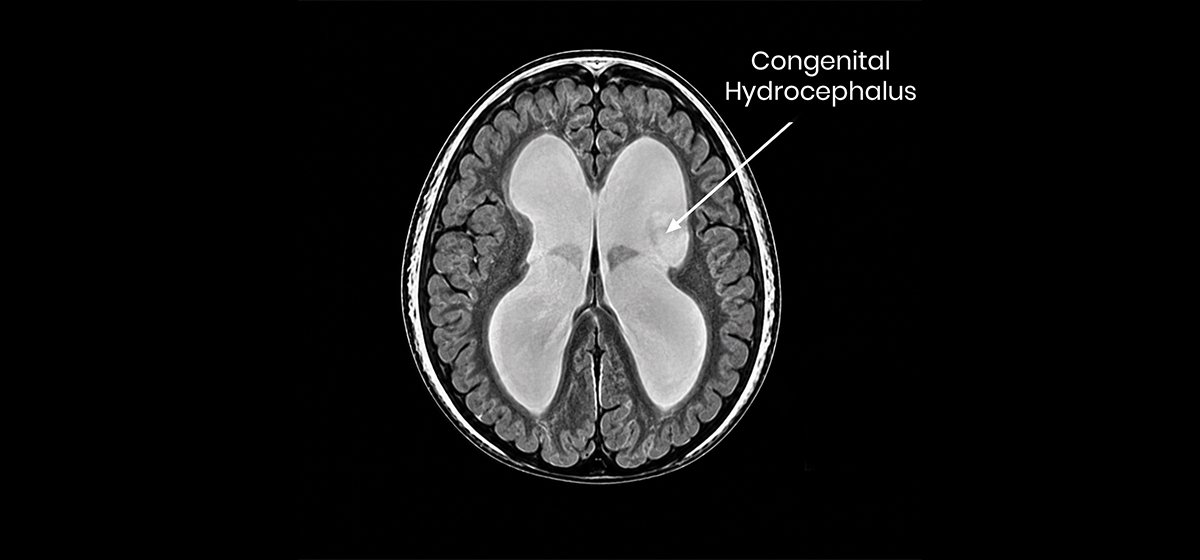
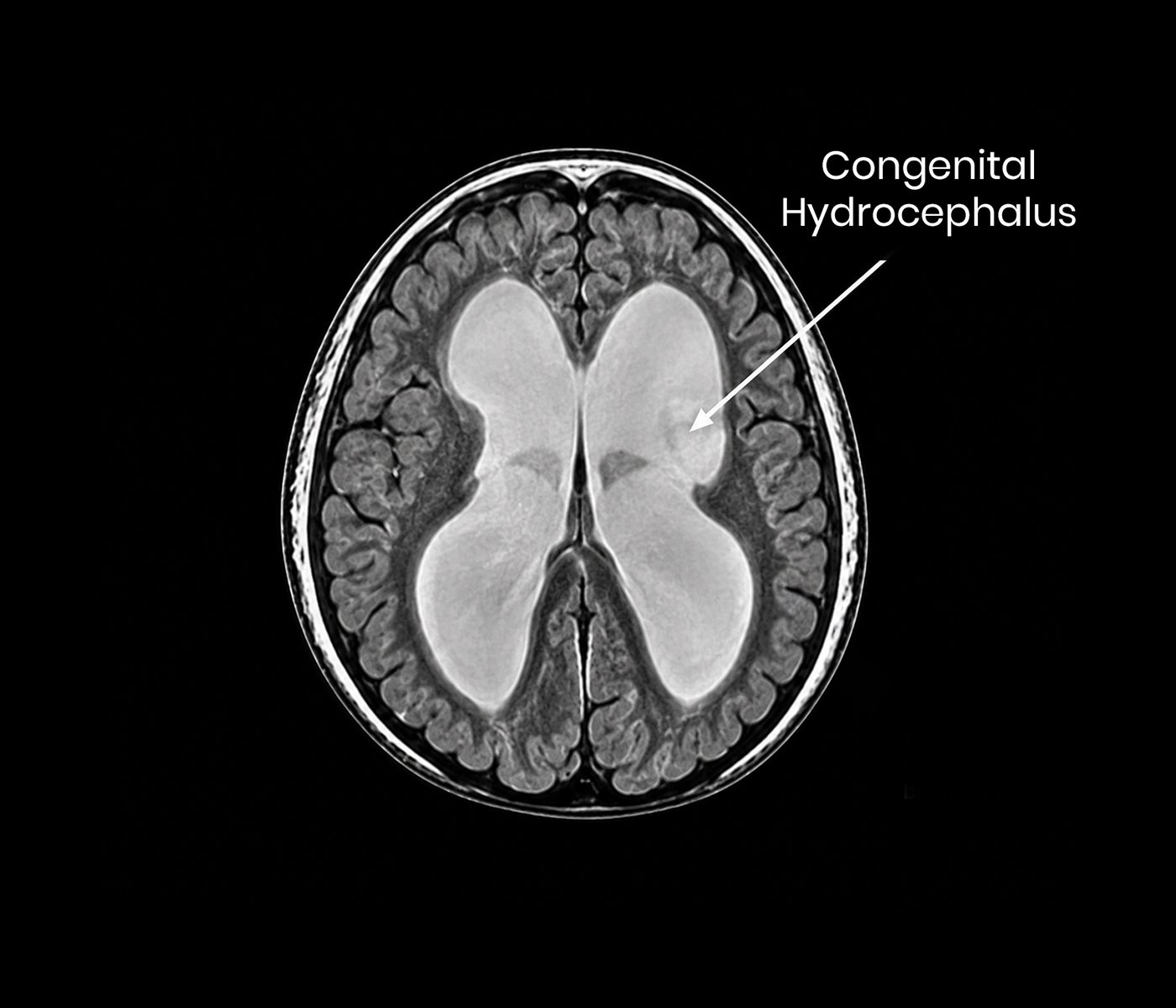
Congenital Hydrocephalus

Congenital hydrocephalus is a condition in which an accumulation of cerebrospinal fluid causes enlargement of the brain's ventricular system. It may be associated with developmental abnormalities affecting cerebrospinal fluid pathways and can influence pressure, brain growth, and neurological development.

Evaluation includes clinical and neurological assessment together with appropriate brain imaging to understand the ventricular system and underlying cause. Treatment planning depends on the child's age, symptoms, imaging findings, neurological status, and the nature of the fluid-flow disturbance, with appropriate intervention considered when clinically indicated.
COMMON FEATURES
Enlarged head size
Vomiting or feeding difficulty
Developmental concerns
Irritability or lethargy
Craniosynostosis
CRANIAL DEVELOPMENTAL DISORDERS

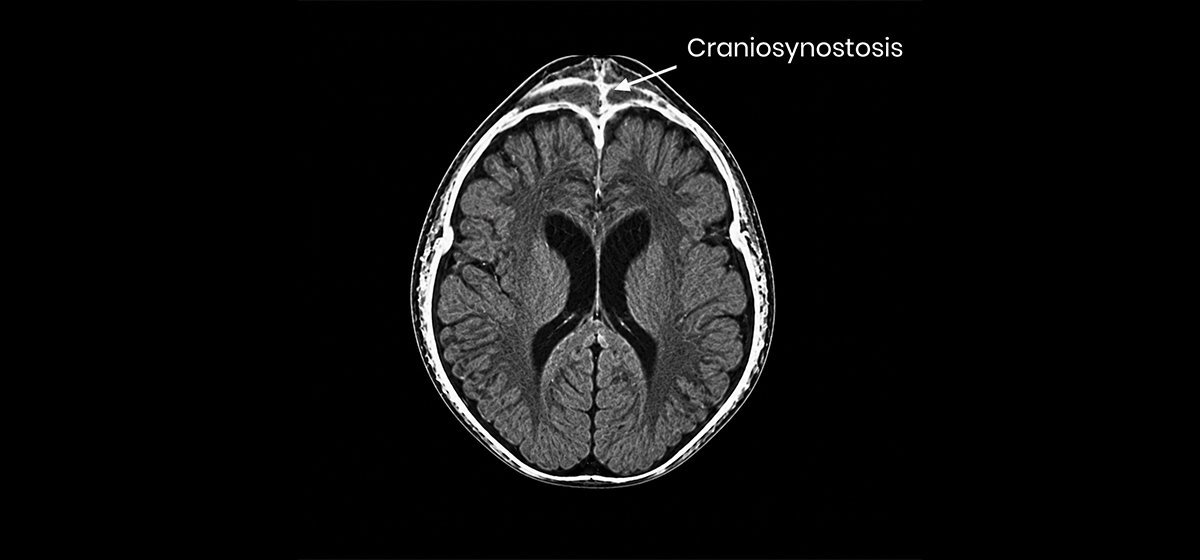
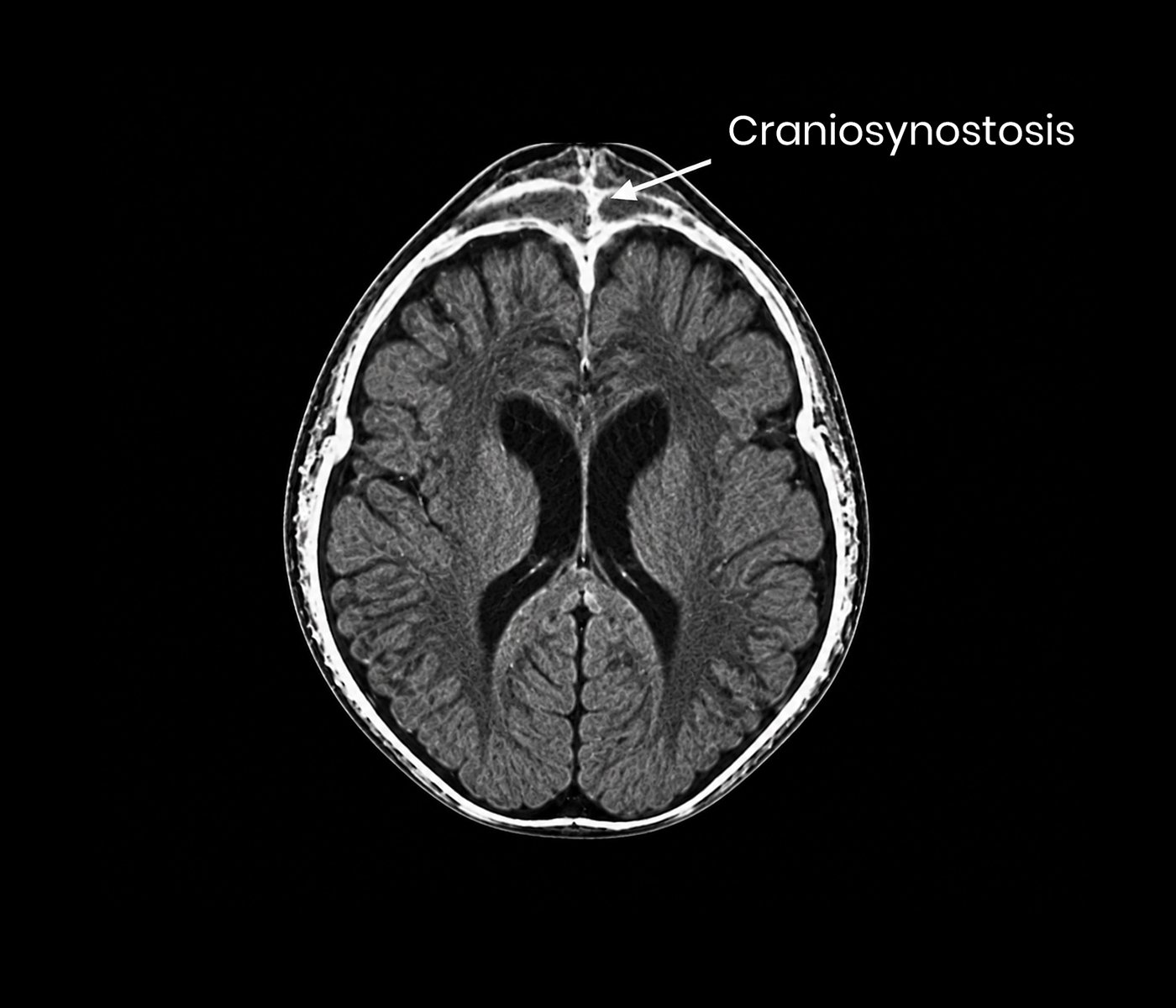
Craniosynostosis

Craniosynostosis occurs when one or more skull sutures fuse prematurely, affecting the normal growth and shape of the developing skull. The presentation can vary depending on which sutures are involved and whether other associated conditions are present.

Evaluation includes clinical examination and appropriate imaging when required to assess skull shape, suture development, intracranial structures, and associated findings. Treatment planning is individualized according to the child's age, skull development, clinical findings, and the specific pattern of suture fusion.

COMMON FEATURES
Abnormal head shape
Premature suture fusion
Changes in skull growth
Developmental assessment needs
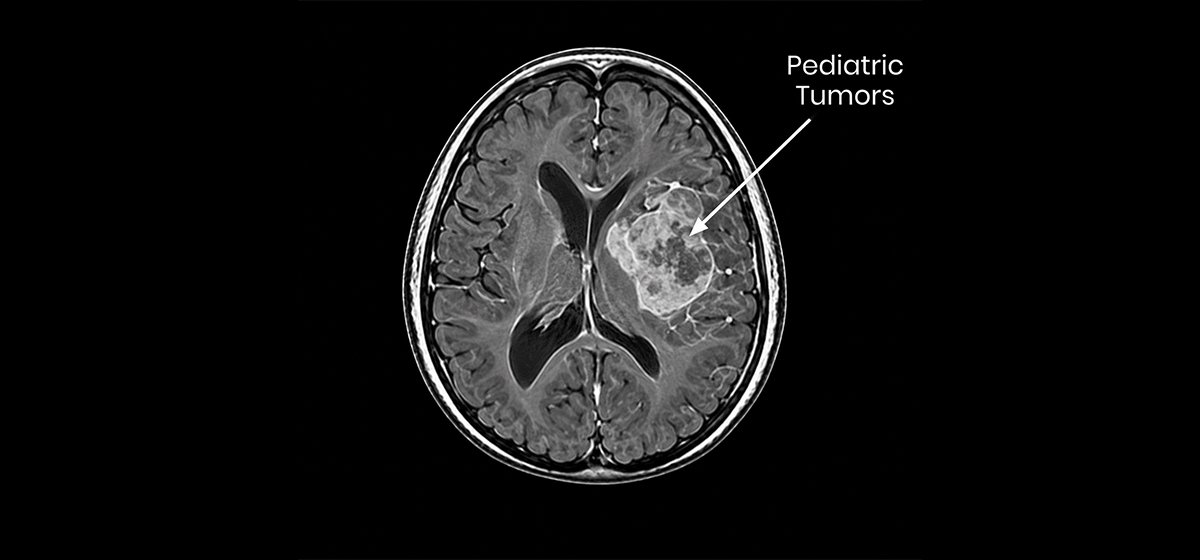
Pediatric Tumors
PEDIATRIC NEURO-ONCOLOGY

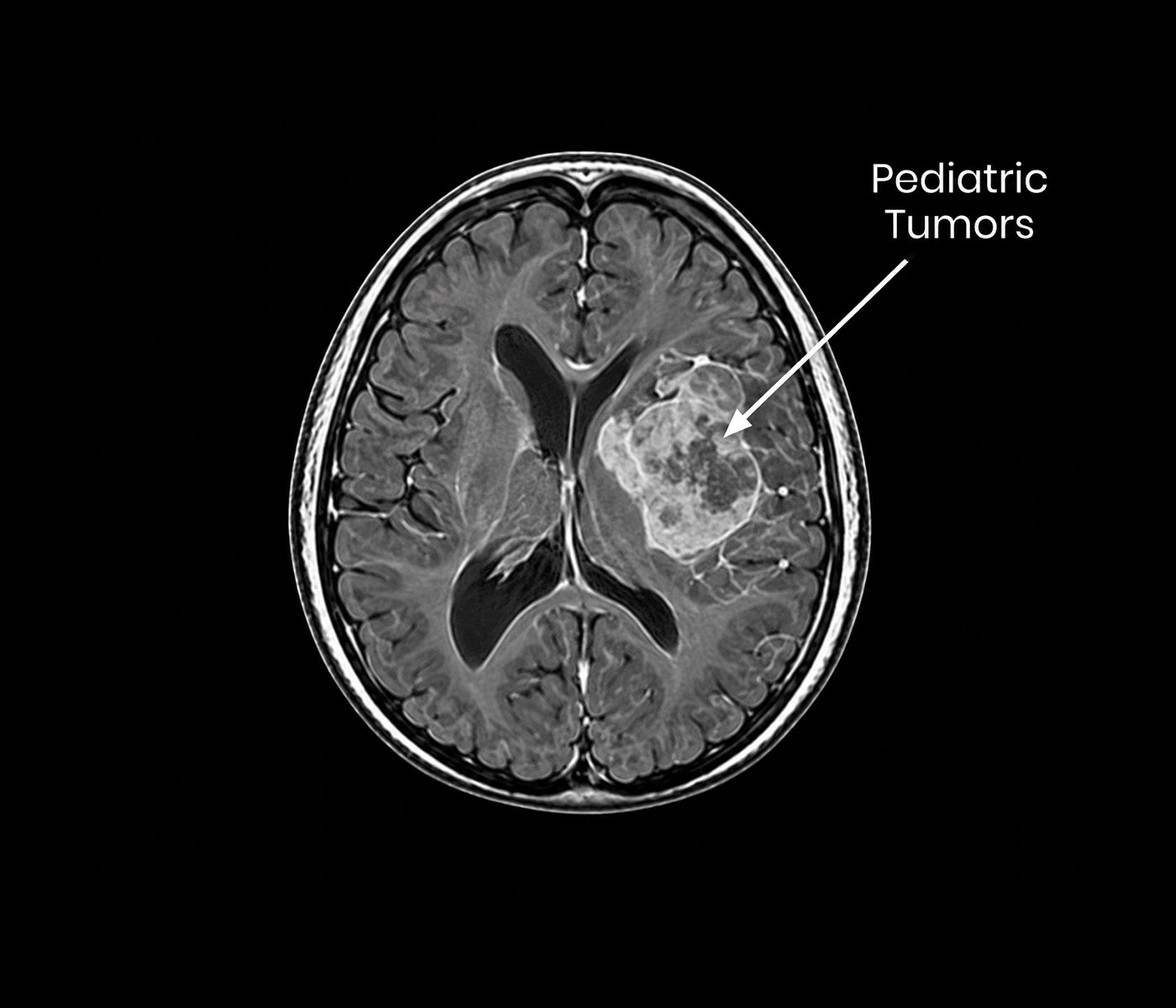
Pediatric Tumors

Pediatric tumors can arise within the brain, spinal cord, or surrounding structures and may present differently depending on their location, size, and effect on developing neurological structures. Some tumors may be identified during evaluation for headaches, seizures, developmental changes, or other neurological symptoms.

Evaluation involves detailed neurological assessment and appropriate imaging to understand the location and extent of the lesion. Treatment planning is individualized and may involve observation, surgery, or coordinated care with other specialists depending on the type, location, clinical features, and overall condition of the child.

COMMON PRESENTATIONS
Headaches or vomiting
Seizures
Neurological changes
Developmental concerns
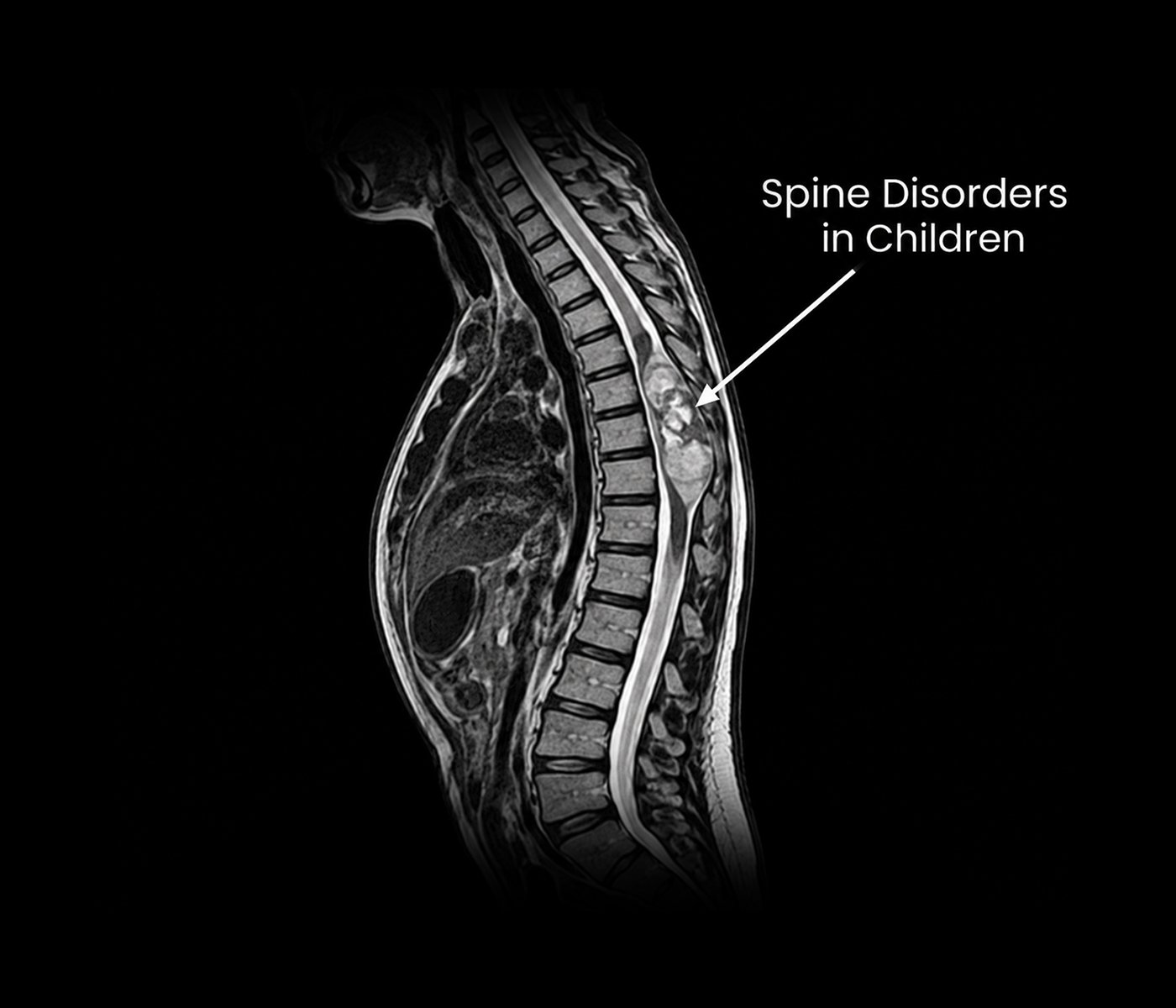
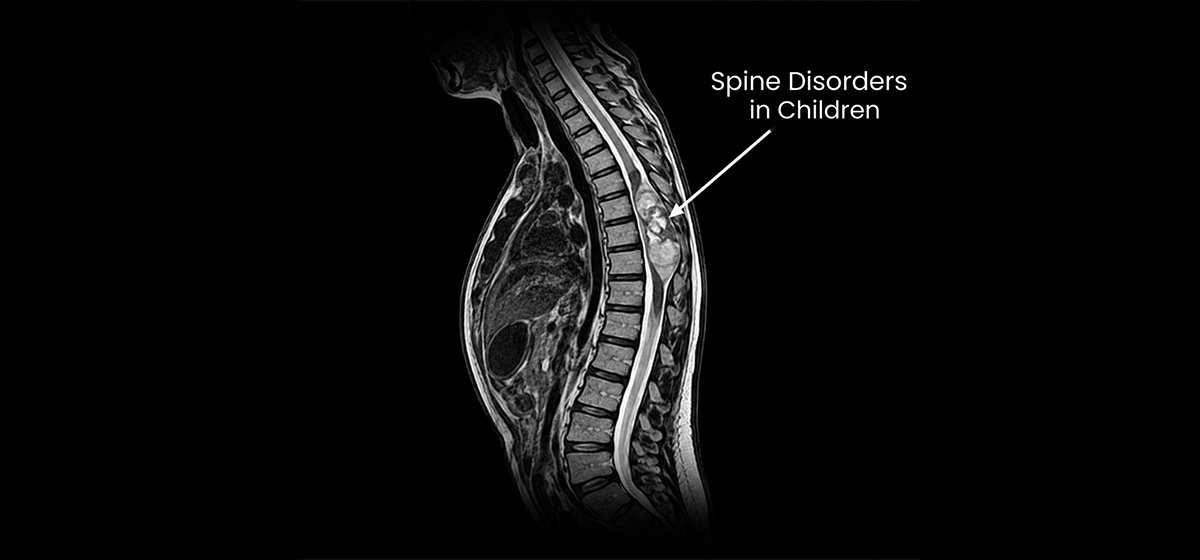
Spine Disorders in Children
PEDIATRIC SPINAL DISORDERS

Spine Disorders in Children

Developmental and congenital spinal disorders in children can affect the spinal column, spinal cord, and surrounding nerves. Conditions may include myelomeningocele, split cord malformation, tethered cord, and developmental anomalies involving the craniovertebral junction (CVJ).

Evaluation includes neurological examination and appropriate spinal imaging to understand the anatomy, spinal cord involvement, and functional effects. Treatment planning depends on the child's age, symptoms, neurological findings, imaging characteristics, and associated conditions, with surgical treatment considered when clinically appropriate.

CONDITIONS ASSESSED
Myelomeningocele
Split cord malformation
Tethered cord
CVJ developmental anomalies
Functional Disorders and Cerebral Palsy
FUNCTIONAL NEUROSURGERY

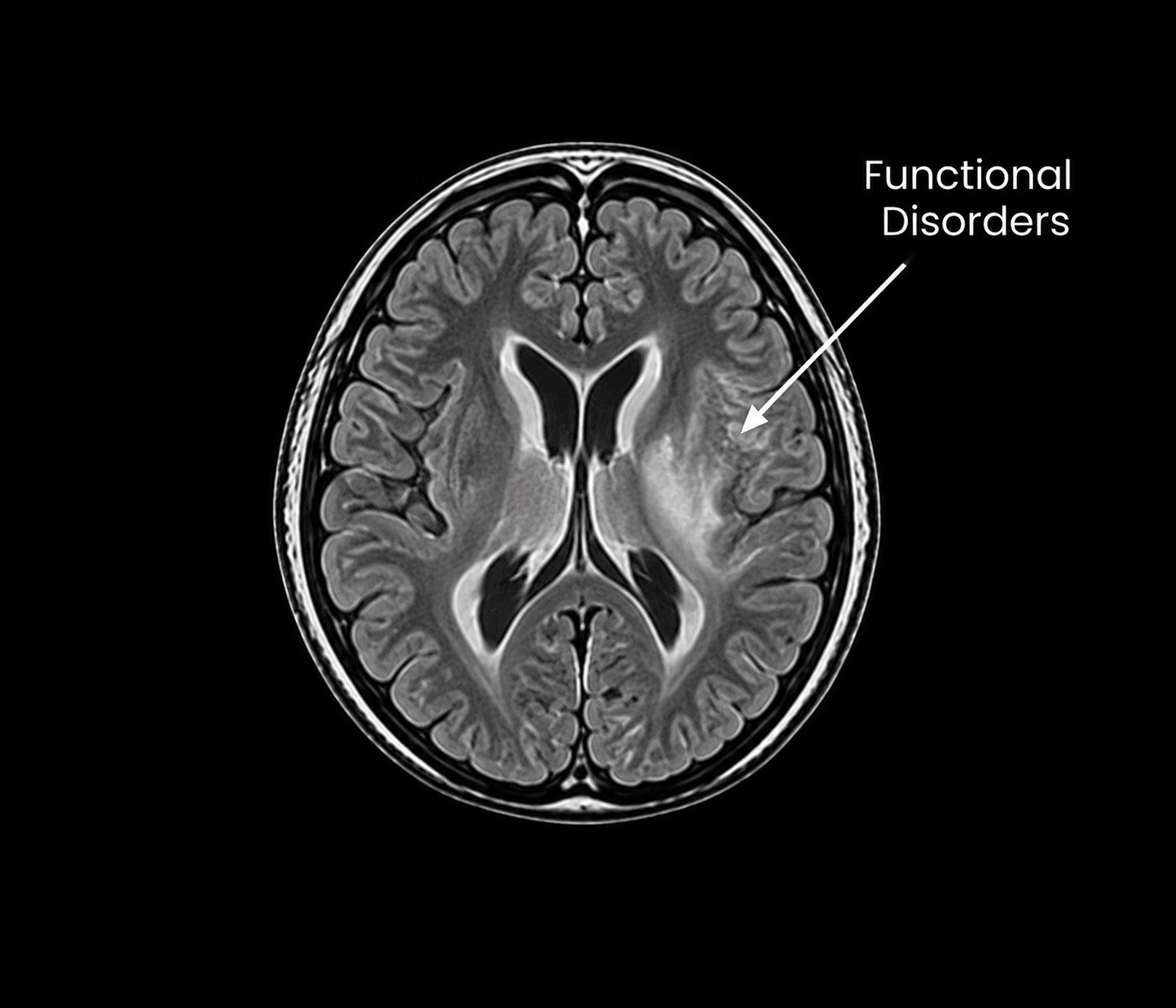
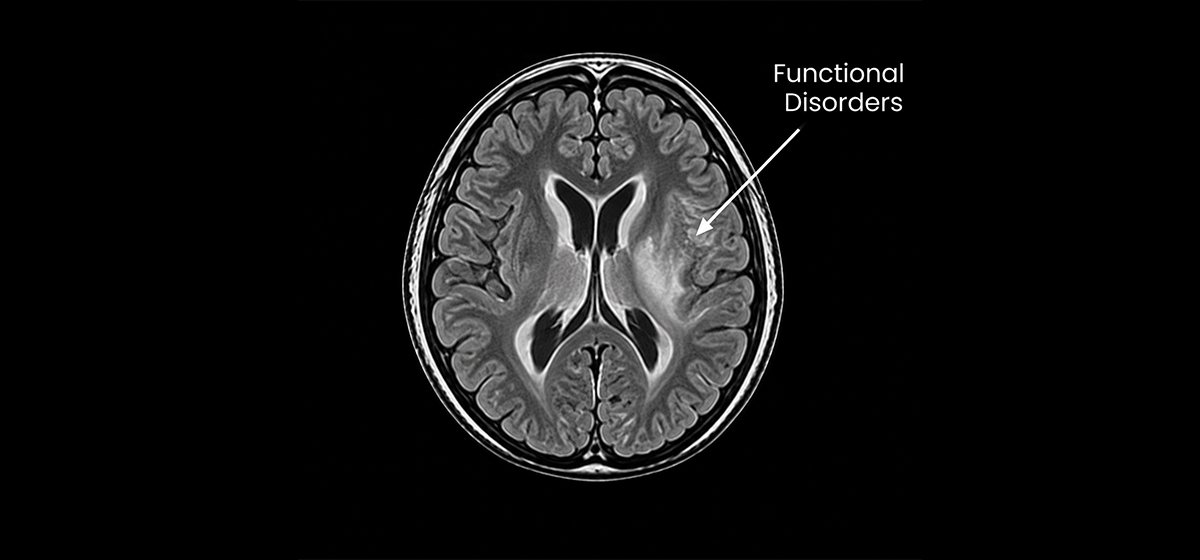
Functional Disorders

Functional neurosurgical care may be considered for selected children with movement and muscle tone disorders associated with conditions such as cerebral palsy. The focus is on understanding the child's neurological function, muscle tone, movement pattern, and functional needs.

Treatment planning is individualized following neurological and functional assessment. Depending on the child's condition and clinical requirements, options may include an intrathecal baclofen pump or selective dorsal rhizotomy, with the choice of treatment based on the child's symptoms, functional goals, and multidisciplinary assessment.

FUNCTIONAL CARE OPTIONS
Cerebral palsy
Intrathecal Baclofen Pump
Selective Dorsal Rhizotomy
Individualized functional assessment
PEDIATRIC NEUROSURGERY

Frequently Asked Questions

Congenital hydrocephalus refers to an accumulation of cerebrospinal fluid within the brain's ventricular system that is present at birth or related to developmental abnormalities. It may affect intracranial pressure and, depending on its cause and severity, can influence neurological development. Evaluation may include neurological assessment and appropriate brain imaging, with treatment based on the child's age, symptoms, imaging findings, and underlying cause.
Craniosynostosis occurs when one or more sutures of a baby's skull fuse earlier than expected, which can alter skull growth and head shape. The clinical presentation varies according to the sutures involved and whether there are associated cranial or neurological abnormalities. Evaluation includes examination of head shape and neurological status, with imaging considered when clinically appropriate. Treatment depends on the child's age, suture involvement, head growth, and associated findings.
Pediatric tumors can arise in the brain, spinal cord, or surrounding structures and may present differently depending on their location, size, and biological characteristics. Symptoms may include headaches, vomiting, seizures, changes in movement or coordination, vision changes, or developmental concerns. Evaluation may include neurological assessment and appropriate MRI or other imaging studies. Treatment planning is individualized according to the tumor type and clinical findings.
Developmental and congenital spinal disorders in children can affect the spinal cord, nerves, vertebral structures, or the craniovertebral junction. Conditions may include myelomeningocele, split cord malformation, tethered cord, and developmental anomalies of the craniovertebral junction. Evaluation may include neurological examination and appropriate spinal or craniovertebral imaging. Management depends on the specific condition, symptoms, neurological function, imaging findings, and developmental needs.
Functional neurosurgery in children may be considered for selected neurological disorders in which abnormal muscle tone or movement significantly affects function and daily activities. Cerebral palsy is one condition in which treatment planning may involve assessment of motor function, muscle tone, mobility, and overall functional needs. Management is individualized and may involve a multidisciplinary team.
Treatment depends on the child's neurological and functional assessment. In appropriately selected children with significant spasticity, options may include an Intrathecal Baclofen Pump or Selective Dorsal Rhizotomy. These treatments are considered based on factors such as muscle tone, mobility, functional limitations, neurological findings, and the child's overall treatment goals.
Scroll to Top