CSF DISORDERS
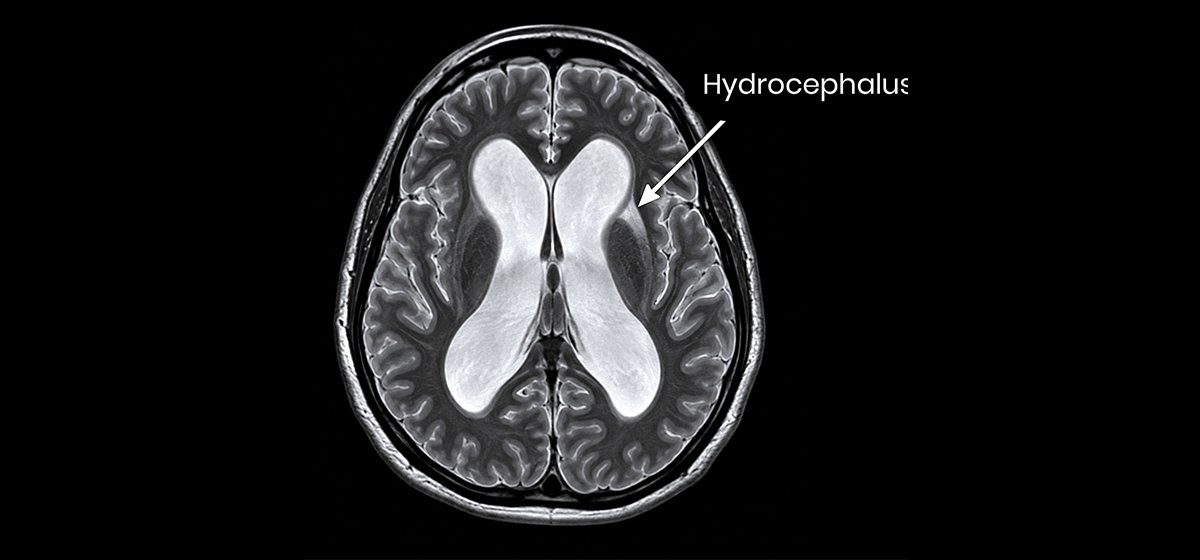
Hydrocephalus
Evaluation and management of cerebrospinal fluid accumulation affecting pressure and brain function.
Learn More
Specialized evaluation and treatment planning for a range of neurological and neurosurgical conditions affecting the brain. Care is guided by detailed clinical assessment, appropriate imaging, and individualized treatment planning with attention to neurological function, safety, and long-term care needs.
Evaluation and management of cerebrospinal fluid accumulation affecting pressure and brain function.
Learn More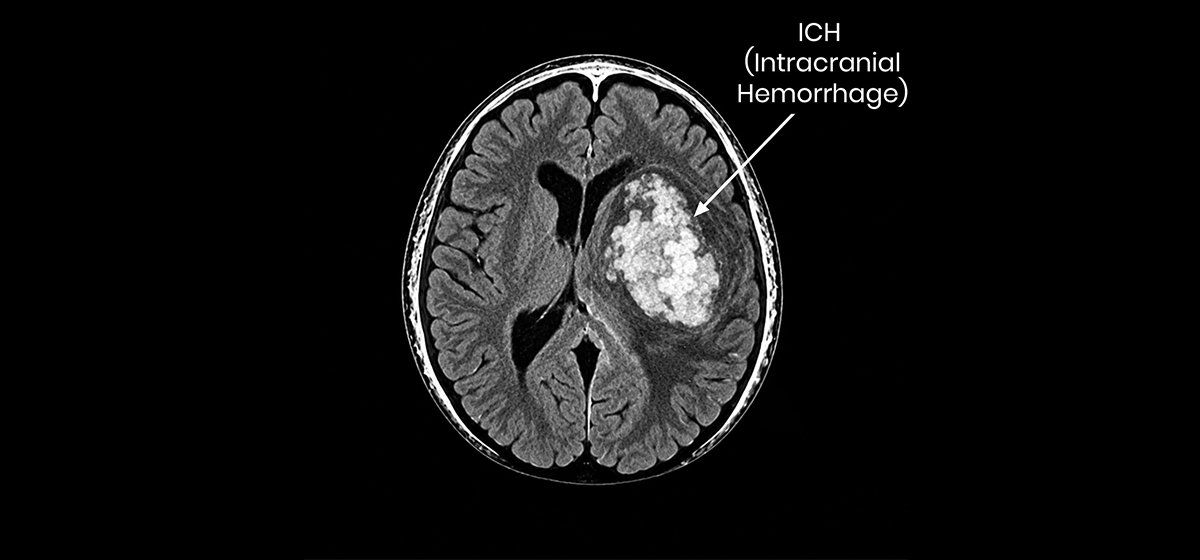
Prompt assessment of bleeding within or around the brain and its neurological effects.
Learn More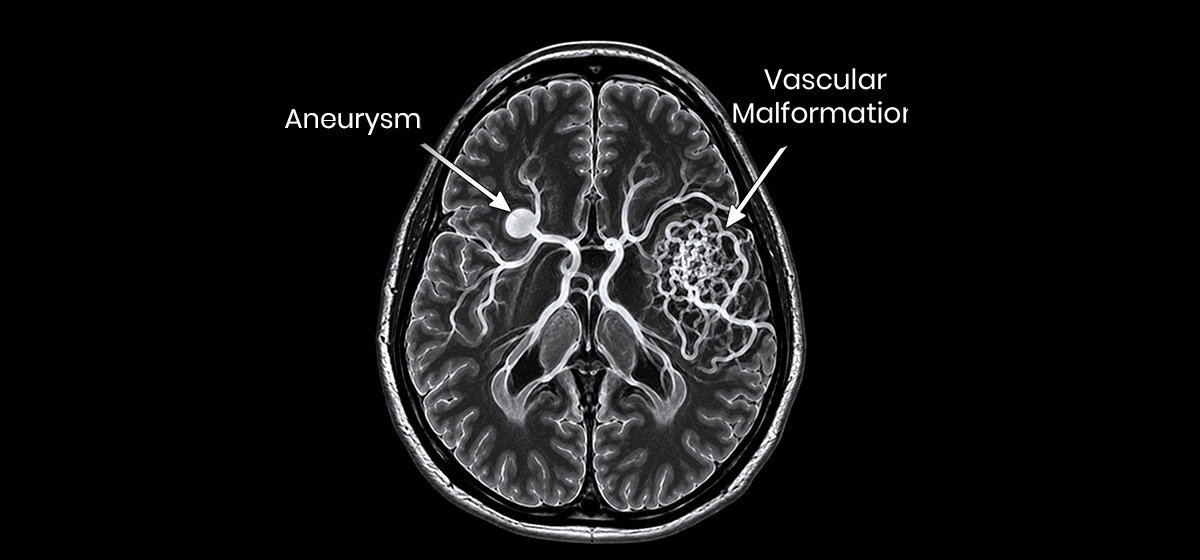
Assessment of abnormal blood vessels and aneurysms requiring specialized neurological evaluation.
Learn More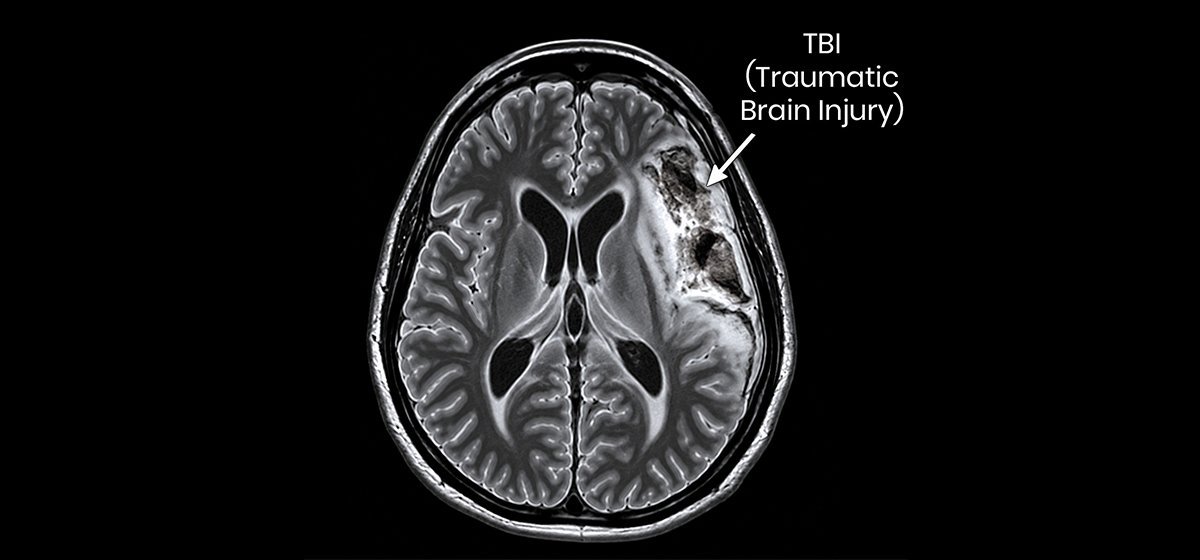
Evaluation and management of brain injuries resulting from significant head trauma.
Learn More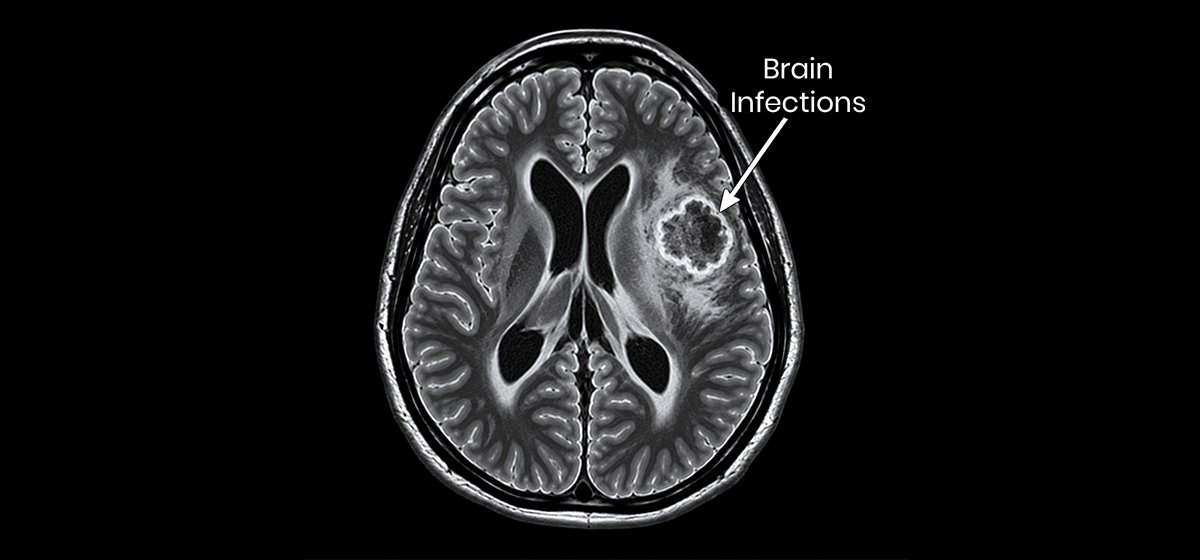
Evaluation of infections affecting the brain and surrounding structures, including bacterial, viral, fungal and TB causes.
Learn More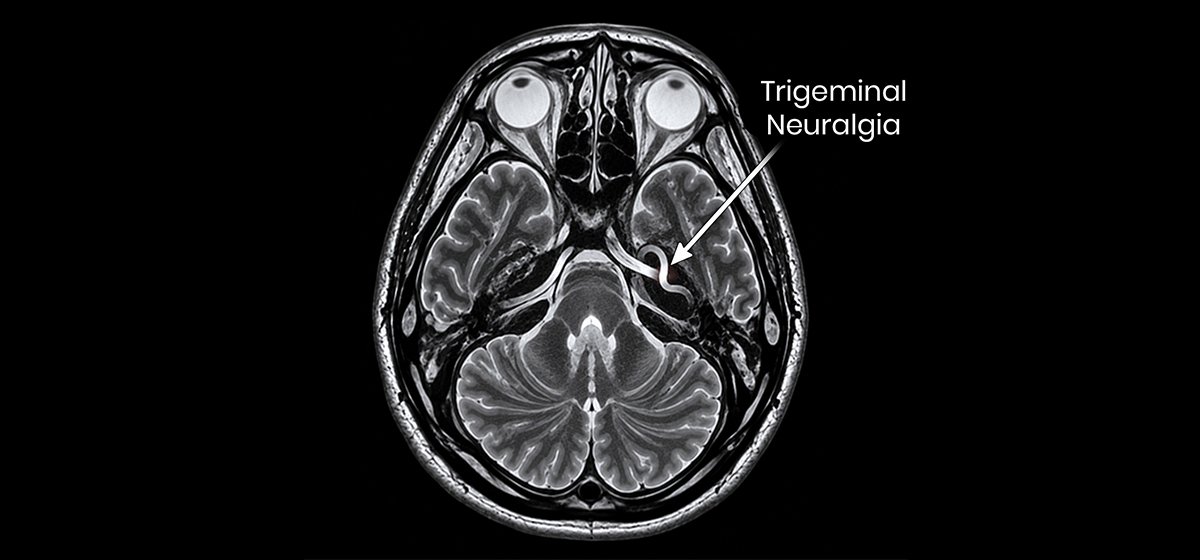
Evaluation of severe facial pain associated with irritation or dysfunction of the trigeminal nerve.
Learn More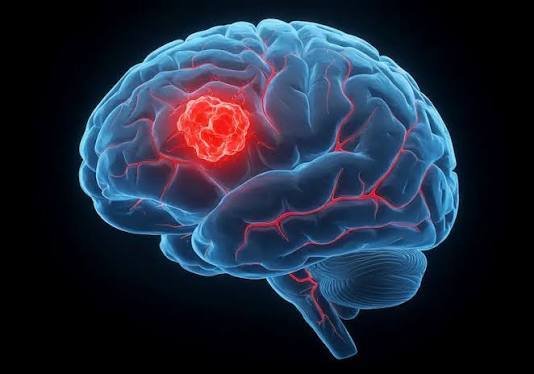
Diagnosis and surgical management of brain tumors, with a focus on preserving neurological function and improving quality of life.
Learn More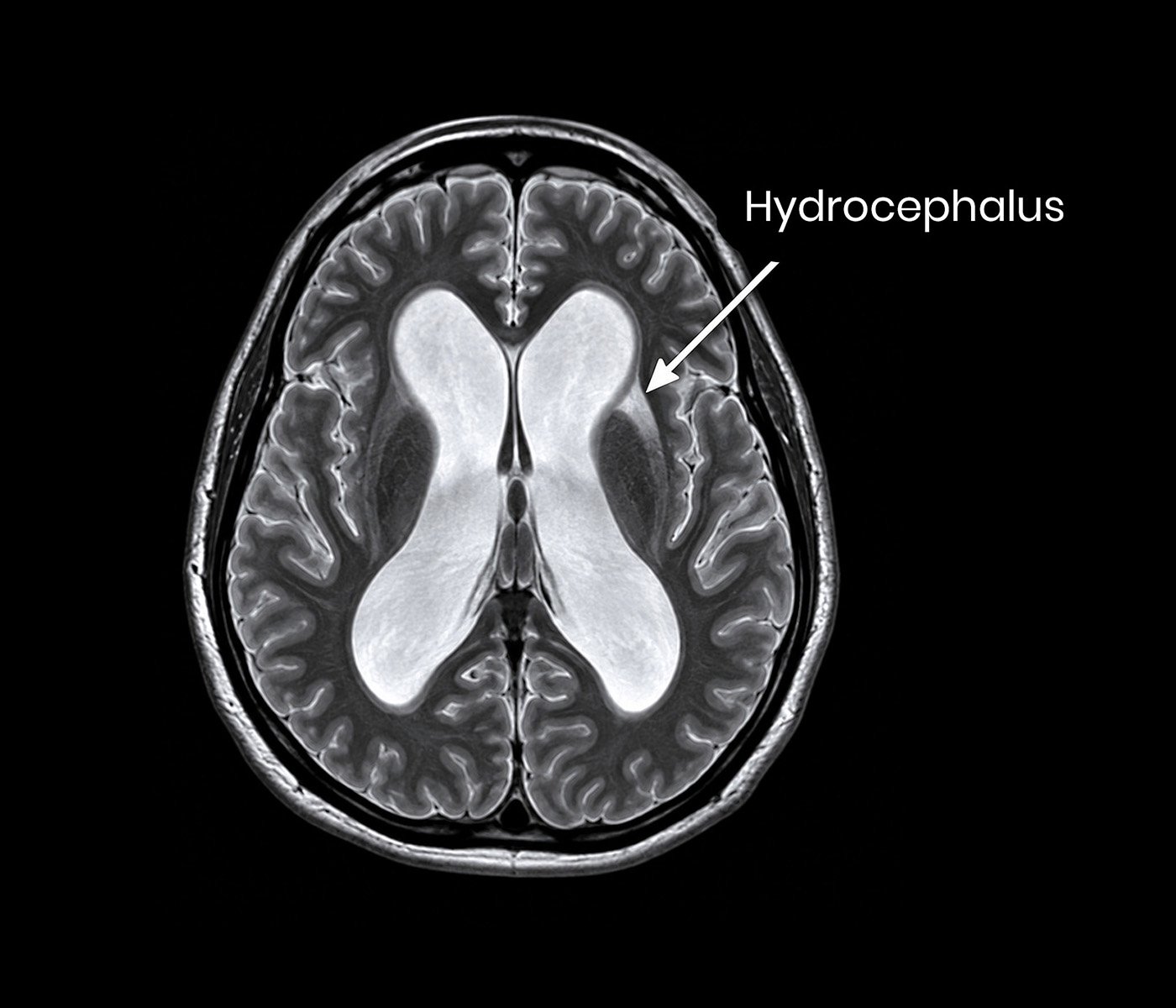
Hydrocephalus occurs when cerebrospinal fluid accumulates within the brain's ventricular system, potentially affecting pressure and normal brain function. It can occur for different reasons and symptoms may vary depending on age, cause and the rate at which fluid accumulation develops.
Evaluation includes neurological assessment and brain imaging to examine the ventricular system and cerebrospinal fluid pathways. Treatment depends on the underlying cause, symptoms and imaging findings, with appropriate neurosurgical procedures considered when intervention is required.
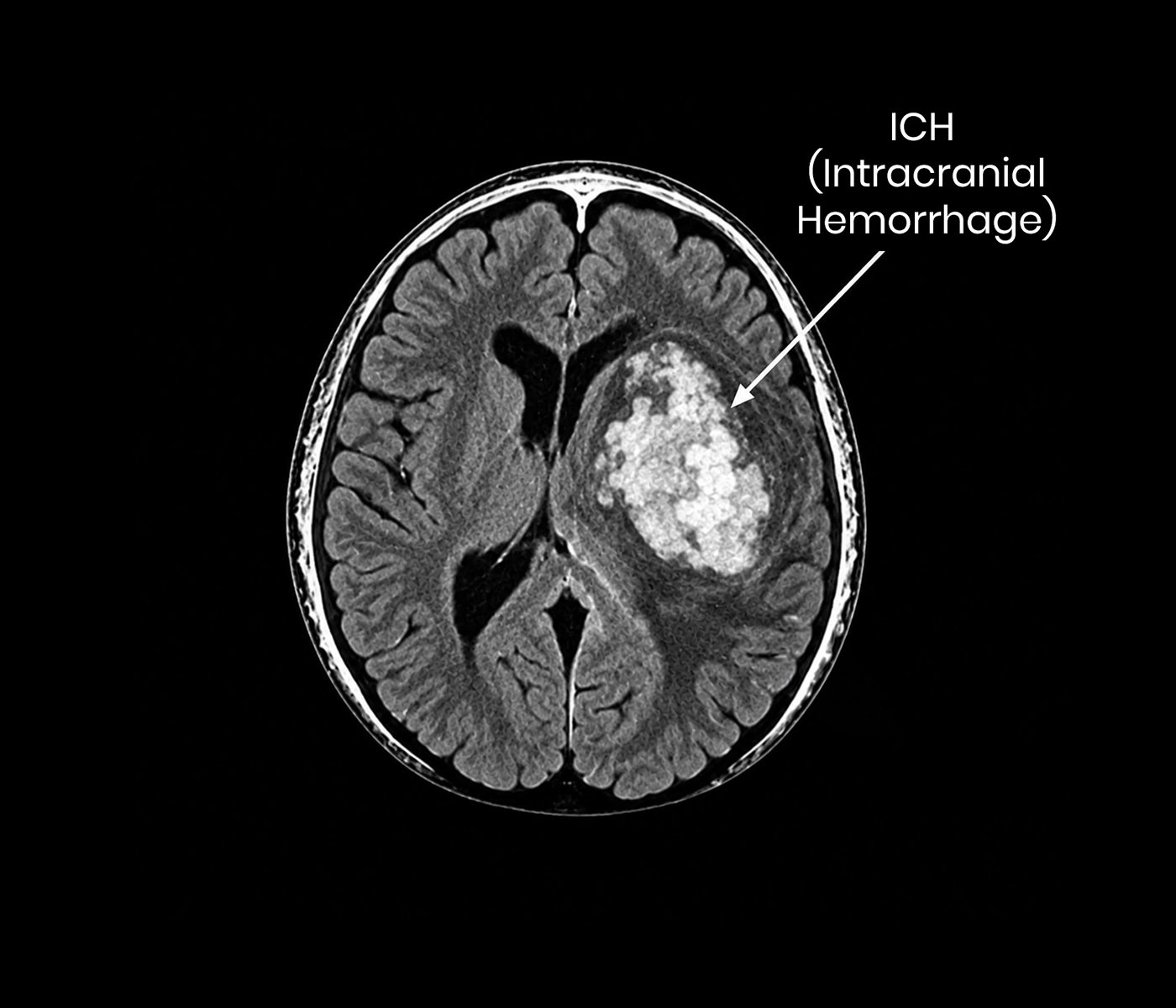
Intracranial hemorrhage refers to bleeding within or around the brain. It may occur because of trauma, blood vessel abnormalities or other medical conditions. The effects depend on the location and amount of bleeding and may range from headache and vomiting to altered consciousness or neurological deficits.
Prompt neurological assessment and brain imaging help determine the type, location and extent of the hemorrhage. Management depends on neurological status, imaging findings and the underlying cause, with neurosurgical treatment considered when clinically indicated.
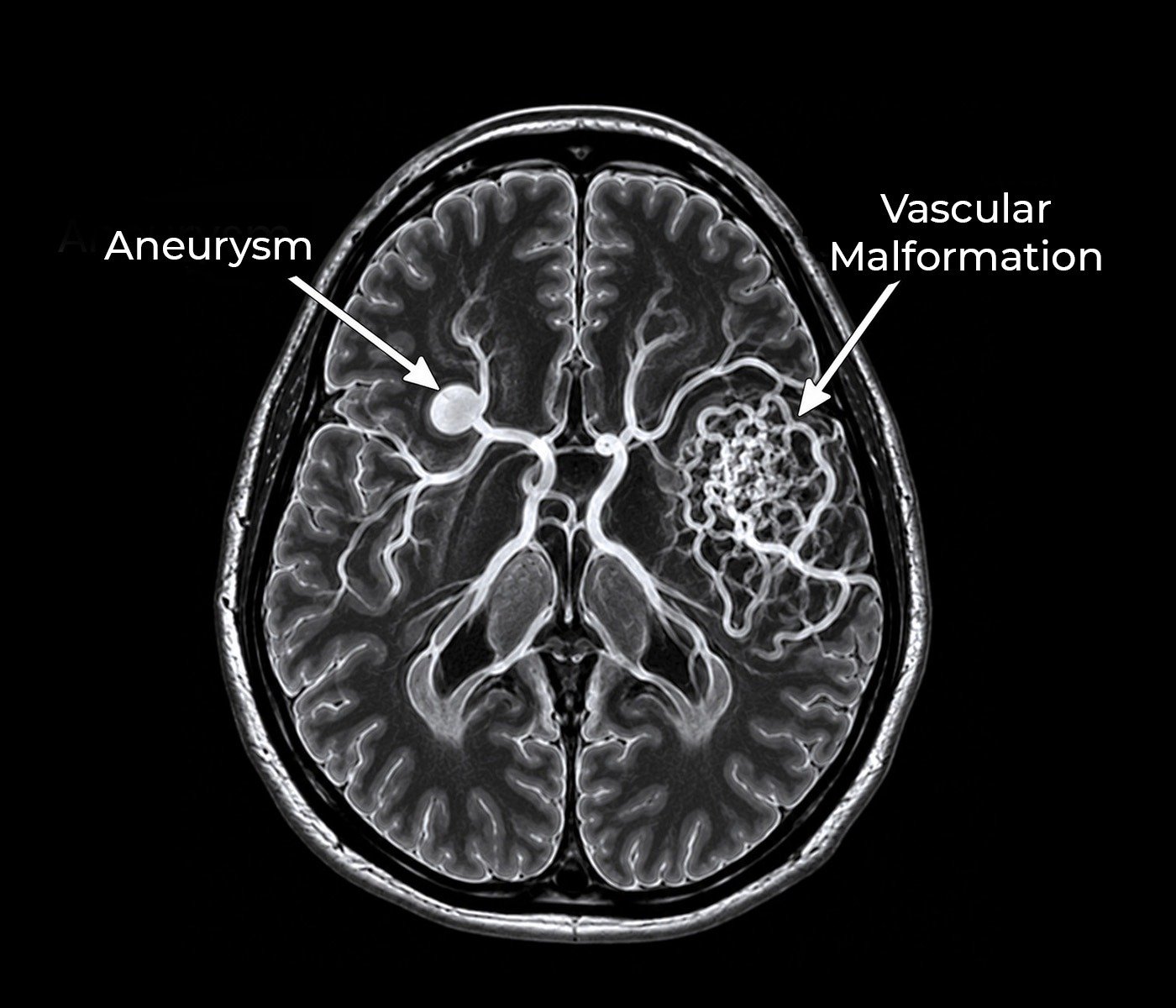
Cerebral aneurysms and vascular malformations are abnormalities involving blood vessels within or around the brain. Some may be discovered incidentally, while others can cause neurological symptoms or become clinically significant because of bleeding or pressure on nearby structures.
Evaluation may include neurological assessment and detailed vascular imaging to understand the abnormality, its size, location and relationship with surrounding structures. Management is individualized according to the vascular condition, symptoms and imaging findings.
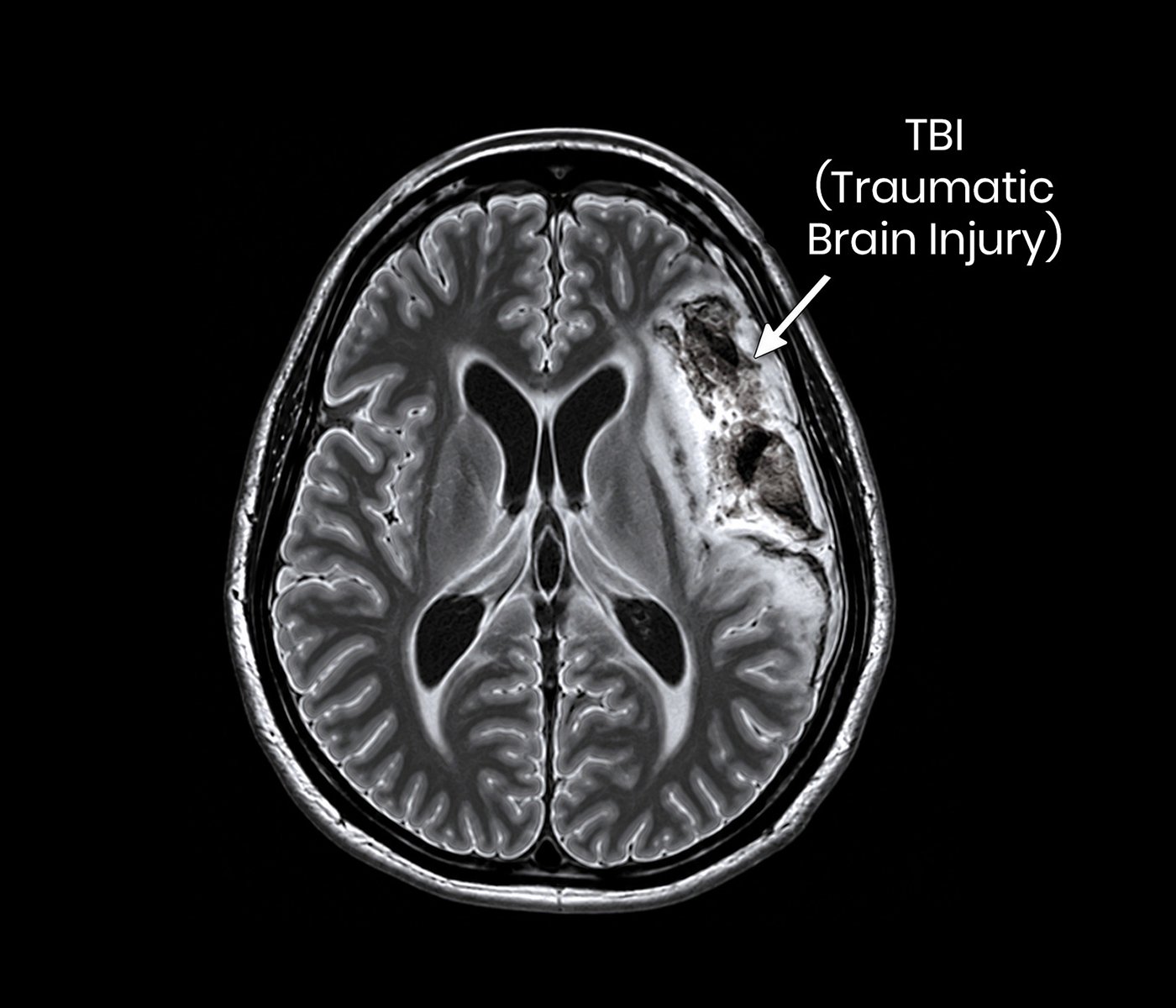
Traumatic brain injury can occur following significant head trauma and may affect the brain in different ways. Depending on the severity and location of the injury, patients may experience headache, vomiting, confusion, altered consciousness, seizures or other neurological changes.
Evaluation includes neurological examination and appropriate brain imaging to identify bleeding, swelling or structural injury. Management depends on the severity of the injury, neurological condition and imaging findings, with observation, medical management or neurosurgical treatment considered according to the individual situation.
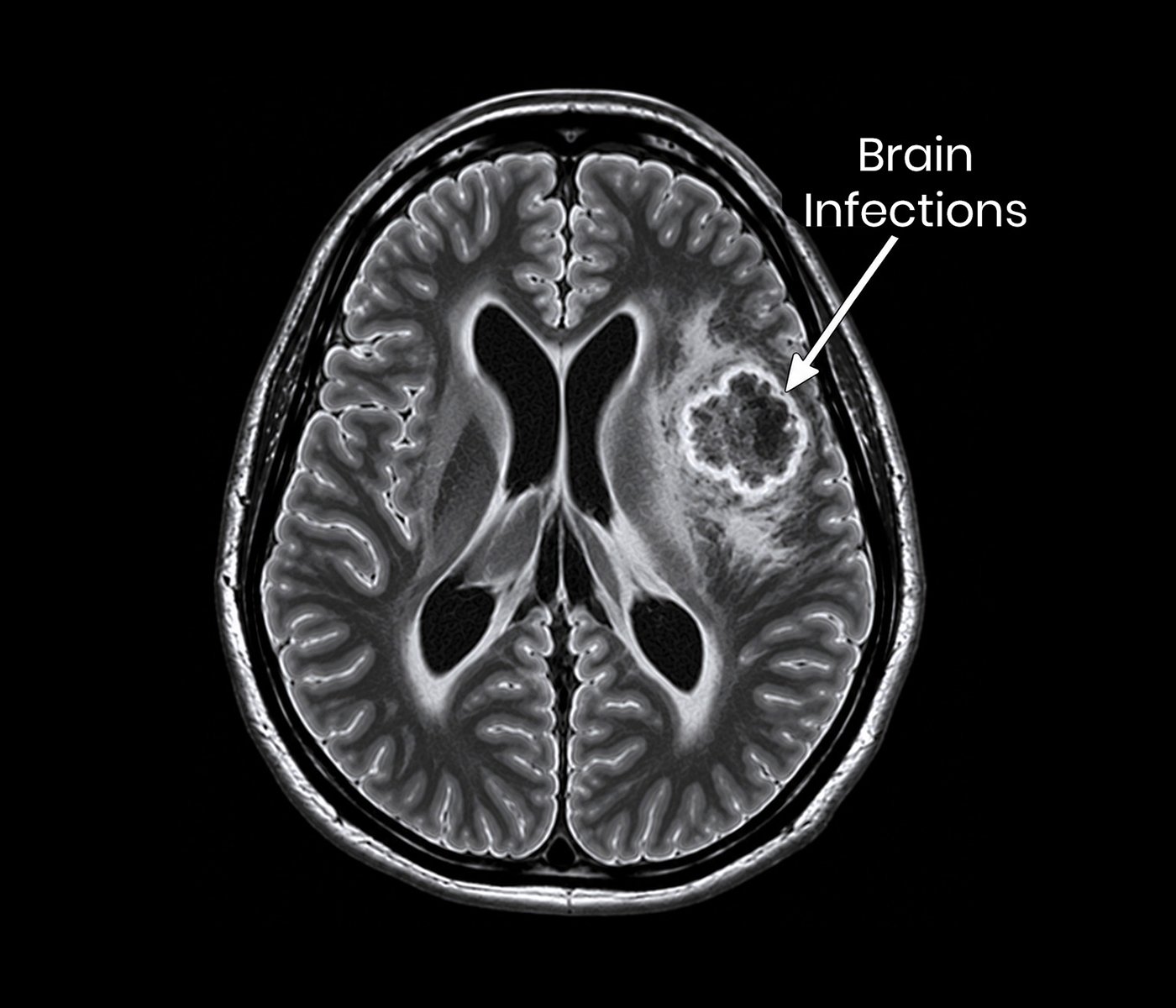
Brain infections can affect the brain tissue, its coverings or surrounding structures. They may result from different infectious organisms, including bacterial, viral, fungal and tuberculosis-related infections. Symptoms can vary depending on the area affected and the nature of the infection.
Evaluation may include neurological assessment, laboratory investigations and appropriate brain imaging to identify the location and extent of infection. Treatment is guided by the suspected or confirmed cause, clinical condition and imaging findings, with neurosurgical intervention considered when complications require it.
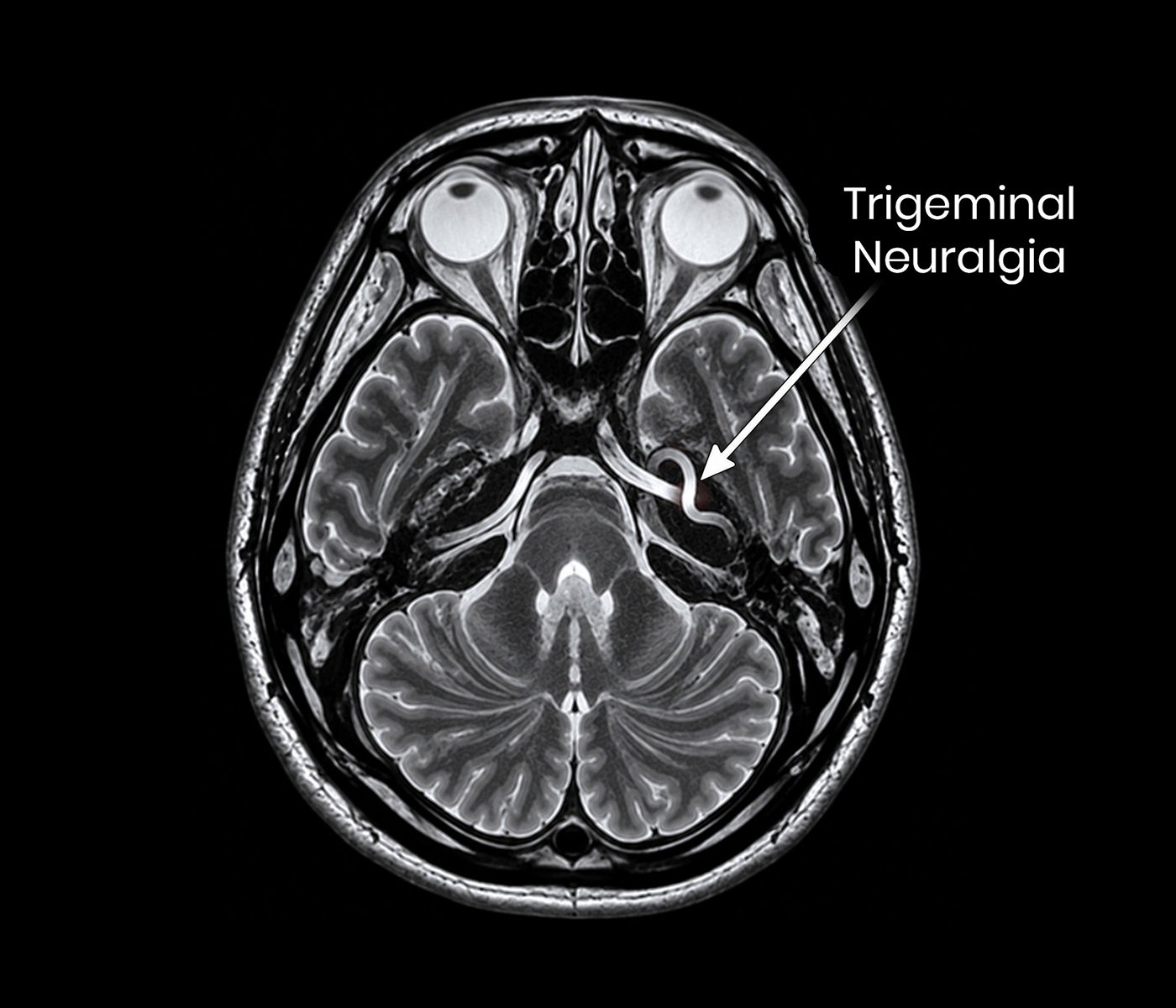
Trigeminal neuralgia is a condition involving the trigeminal nerve and is characterized by episodes of intense facial pain. The pain may be triggered by activities such as touching the face, chewing, speaking, brushing the teeth or exposure to cold air.
Evaluation includes detailed assessment of the pain pattern, neurological examination and appropriate imaging when required to investigate possible causes or structural relationships. Treatment planning depends on symptom pattern, underlying cause, previous treatment and the individual's clinical needs.