HYDROCEPHALUS
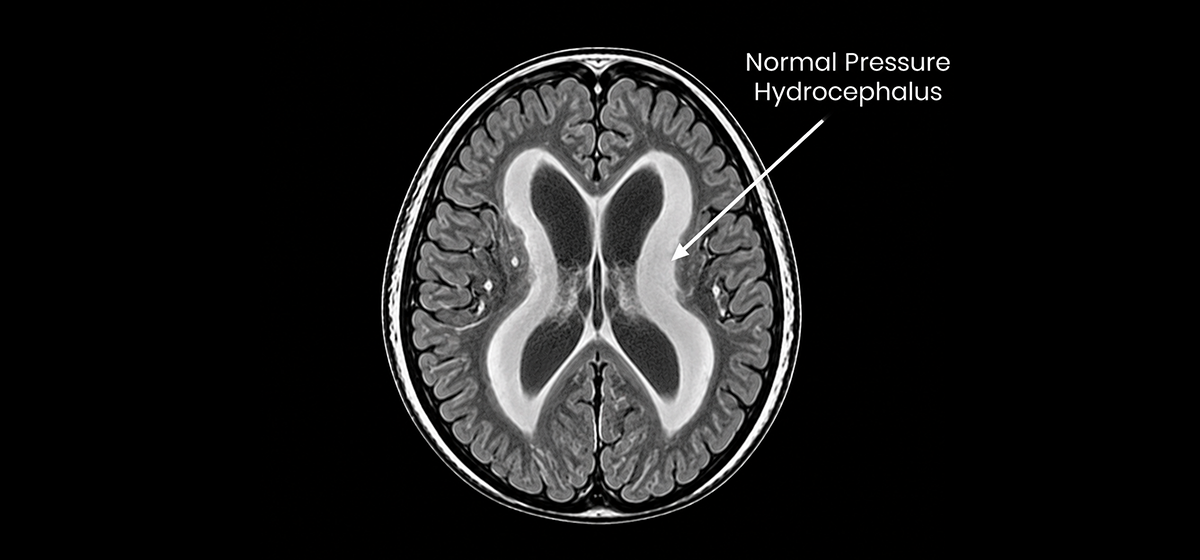
Normal Pressure Hydrocephalus
Evaluation of a condition that may affect walking, balance, memory and bladder control in older adults.
Learn More
Focused evaluation and treatment planning for neurological and spinal conditions that commonly affect older adults, including hydrocephalus, chronic subdural hemorrhage, stroke-related conditions and degenerative spine disease. Care is guided by detailed clinical assessment, appropriate imaging and individualized treatment planning, with attention to neurological function, mobility, independence and overall quality of life.
Evaluation of a condition that may affect walking, balance, memory and bladder control in older adults.
Learn More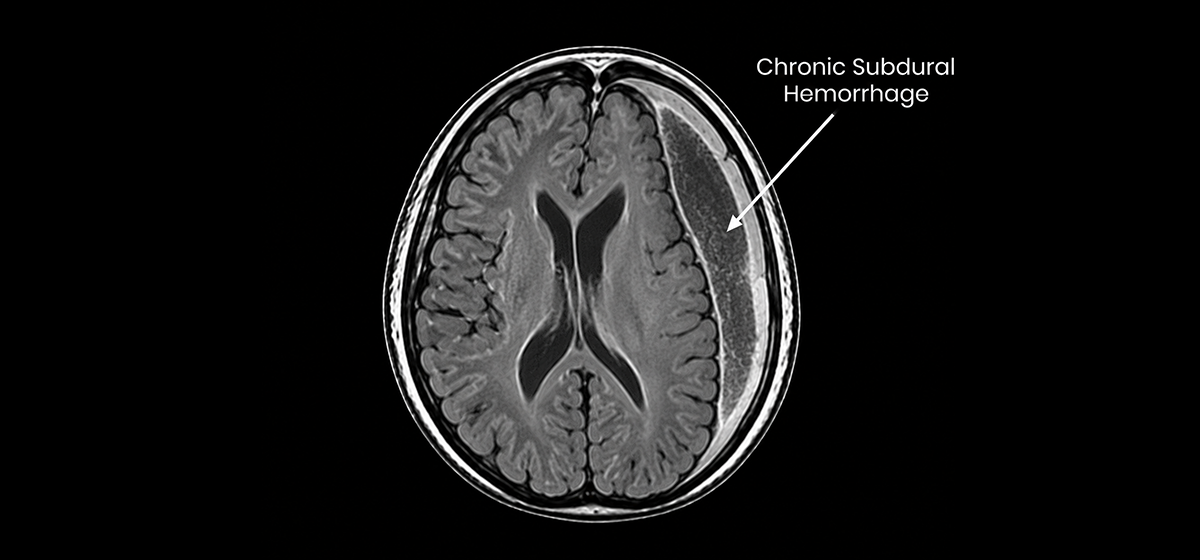
Assessment of an older collection of blood on the surface of the brain that may develop gradually over time.
Learn More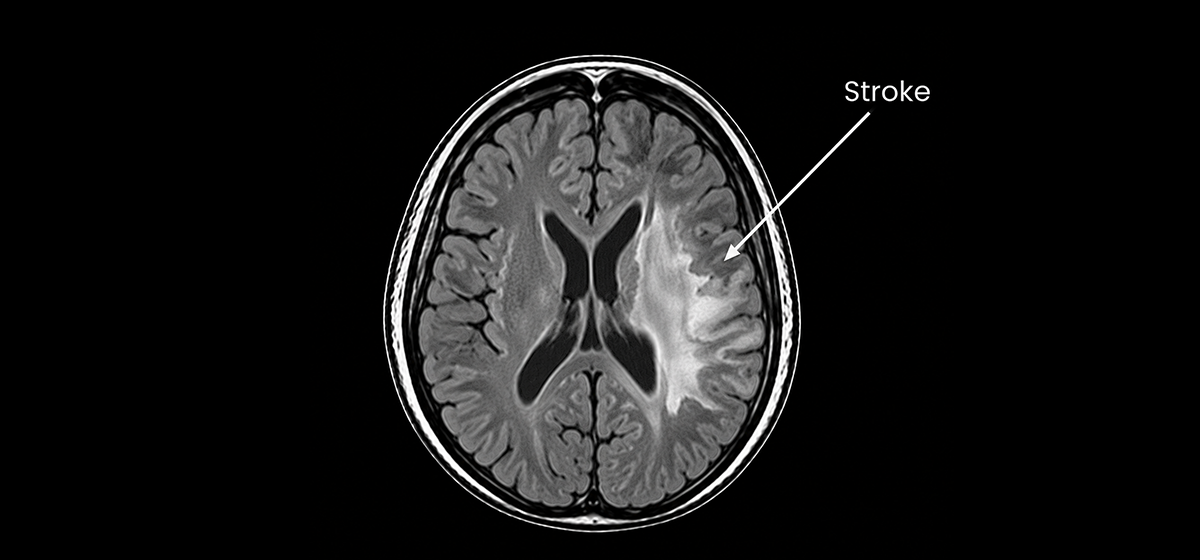
Evaluation of neurological problems resulting from a disruption of blood supply to the brain.
Learn More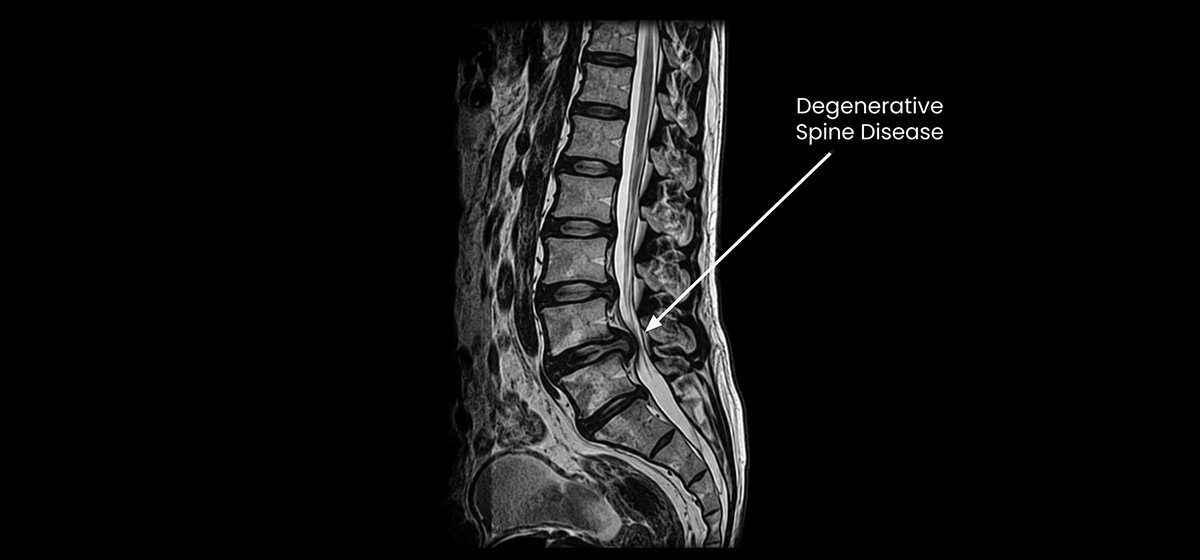
Assessment and treatment planning for age-related changes affecting the spine, nerves and mobility.
Learn More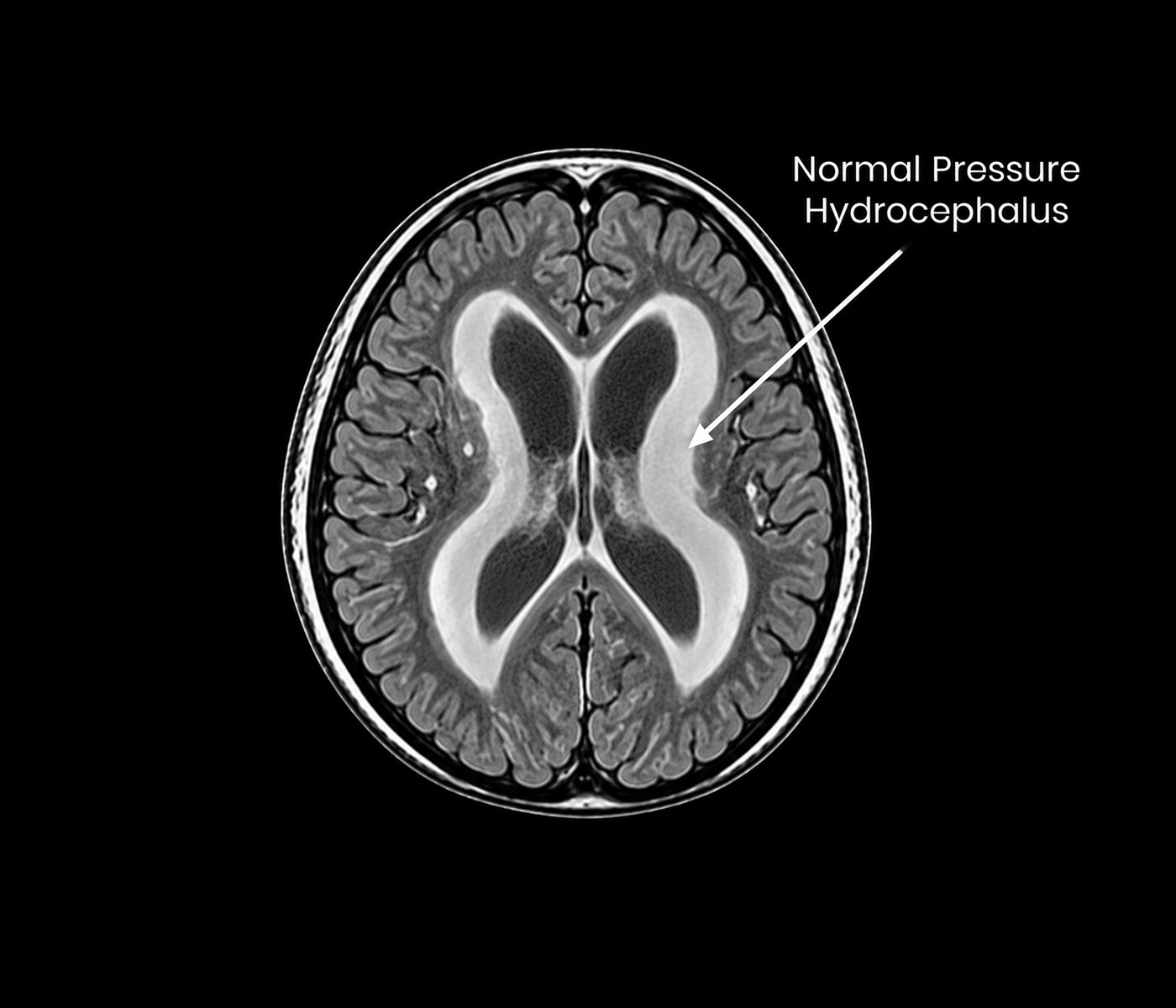
Normal pressure hydrocephalus is a condition in which cerebrospinal fluid accumulates within the brain's ventricles and may affect neurological function. It is most commonly considered in older adults who develop difficulties with walking and balance, changes in thinking or memory, and bladder control problems.
Evaluation involves detailed clinical and neurological assessment together with appropriate brain imaging. Treatment planning depends on the overall clinical picture, imaging findings, symptom pattern and functional impact. When appropriate, neurosurgical treatment may be considered to help address the underlying cerebrospinal fluid circulation problem.
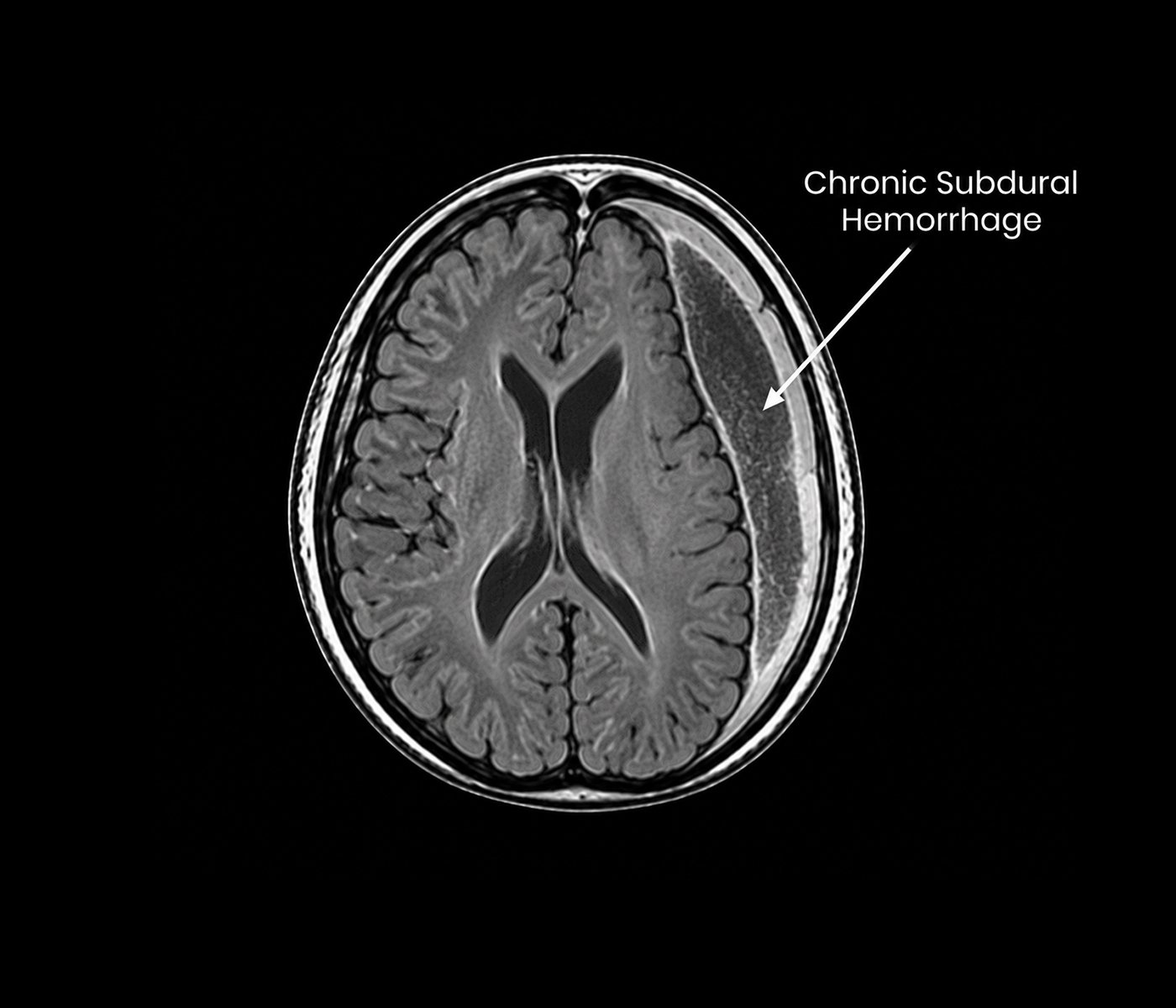
Chronic subdural hemorrhage is a collection of older blood between the surface of the brain and its outer covering. It can develop gradually, sometimes following a relatively minor head injury, particularly in older adults. Symptoms may appear slowly and can include headache, weakness, changes in balance, confusion or changes in behaviour.
Evaluation includes neurological examination and brain imaging, usually with CT or MRI when clinically appropriate, to assess the size and effect of the collection. Management depends on the size of the hemorrhage, symptoms, neurological findings and overall clinical condition. Observation or neurosurgical drainage may be considered according to the individual circumstances.
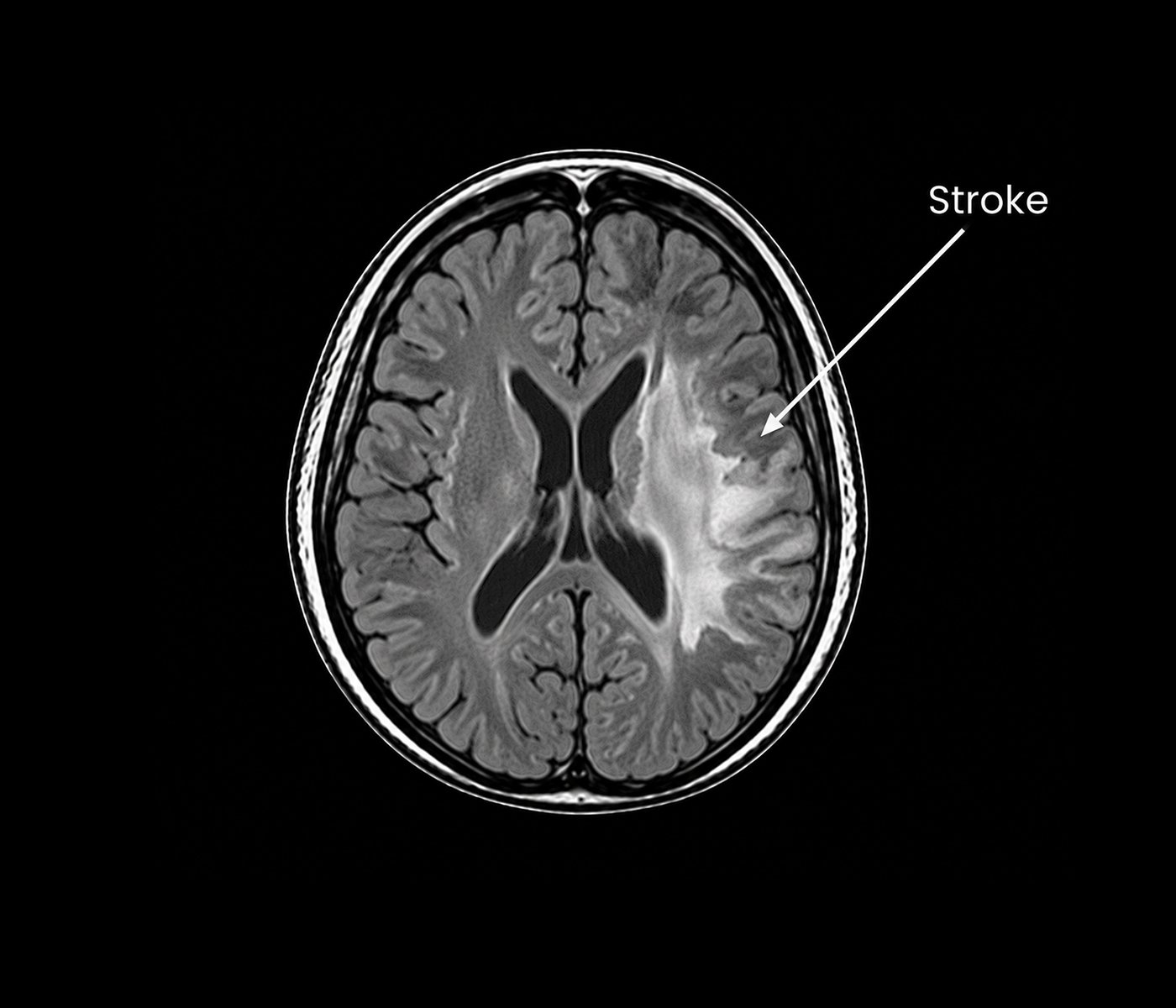
A stroke occurs when the blood supply to part of the brain is disrupted, either because a blood vessel becomes blocked or because a blood vessel bleeds. The resulting neurological effects depend on the area of the brain involved and may include weakness, speech difficulty, visual changes, imbalance or problems with coordination.
Stroke requires prompt medical assessment to determine its type, location and extent. Evaluation may include neurological examination and brain and blood-vessel imaging as clinically indicated. Further treatment and management depend on the underlying cause, timing of presentation, imaging findings and the individual's neurological condition.
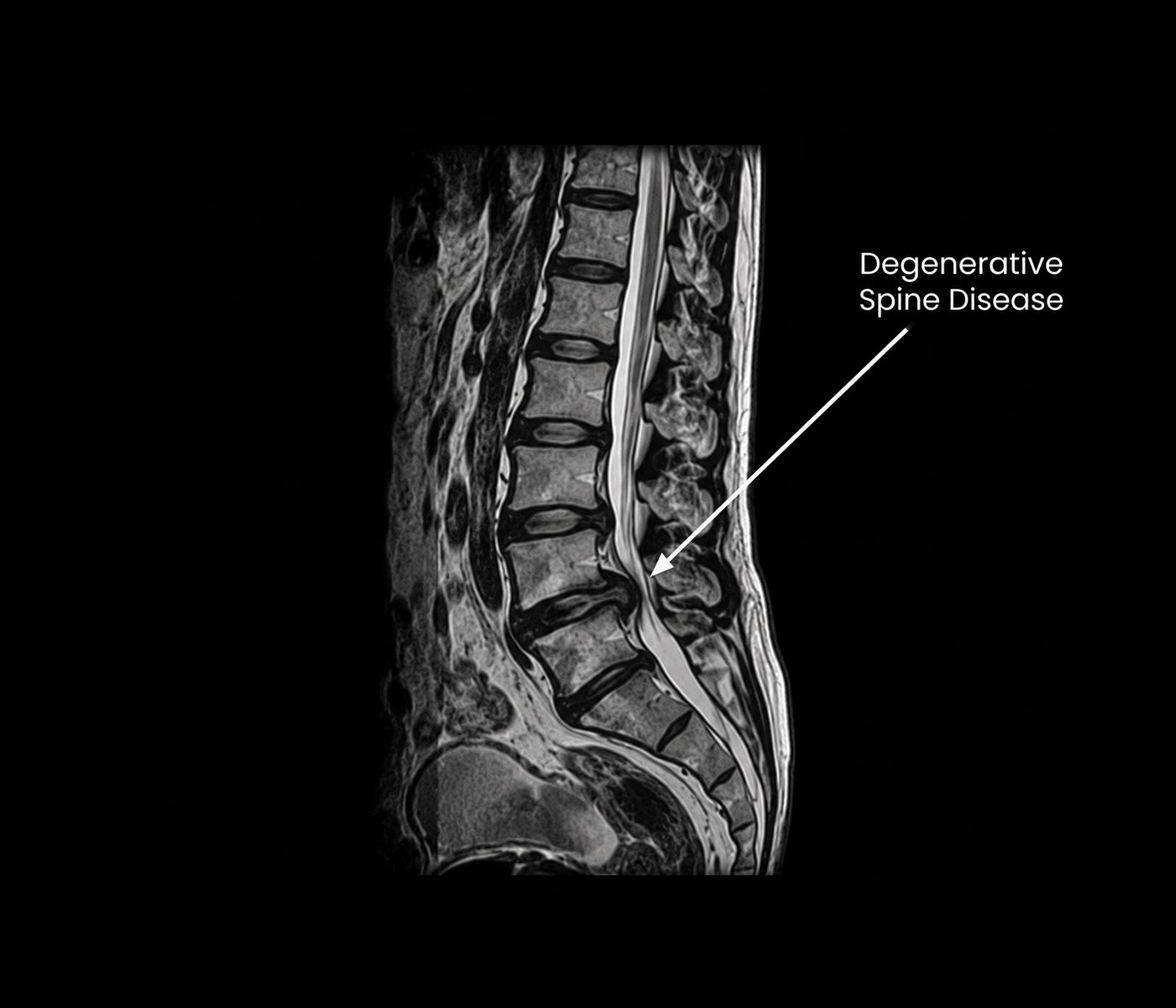
Degenerative spine disease refers to age-related changes affecting the discs, joints, vertebrae and surrounding structures of the spine. These changes may contribute to back or neck pain, stiffness, narrowing around the spinal nerves or spinal cord, and difficulty with walking or everyday activities.
Evaluation includes clinical and neurological assessment together with appropriate spine imaging when required. Treatment planning depends on the location and severity of degeneration, neurological findings, symptoms and functional limitations. Conservative treatment may be considered in appropriate cases, while surgical options may be evaluated when significant neurological compression or other clinically relevant findings are present.