PERIPHERAL NERVES
Carpal Tunnel Syndrome
Evaluation and management of median nerve compression at the wrist affecting hand sensation and function.
Learn More
Specialized evaluation and treatment planning for a range of nerve conditions, including nerve compression, peripheral nerve injuries, brachial plexus disorders and neuralgias. Care is guided by detailed clinical assessment, appropriate imaging and individualized treatment planning, with attention to neurological function, pain, movement and long-term recovery.
Evaluation and management of median nerve compression at the wrist affecting hand sensation and function.
Learn More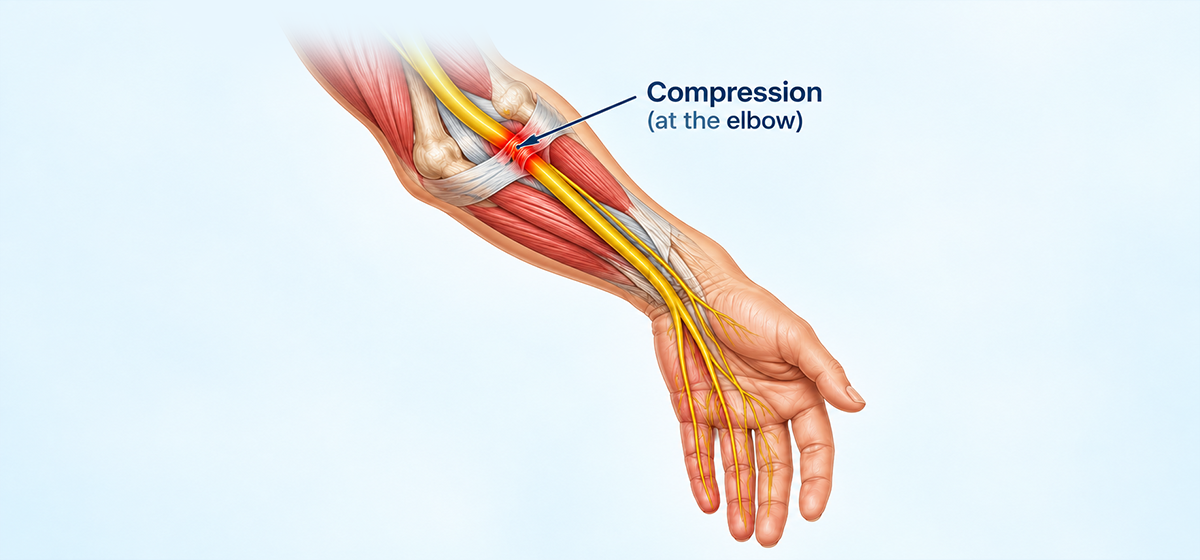
Assessment and treatment planning for nerves compressed along the upper or lower limbs.
Learn More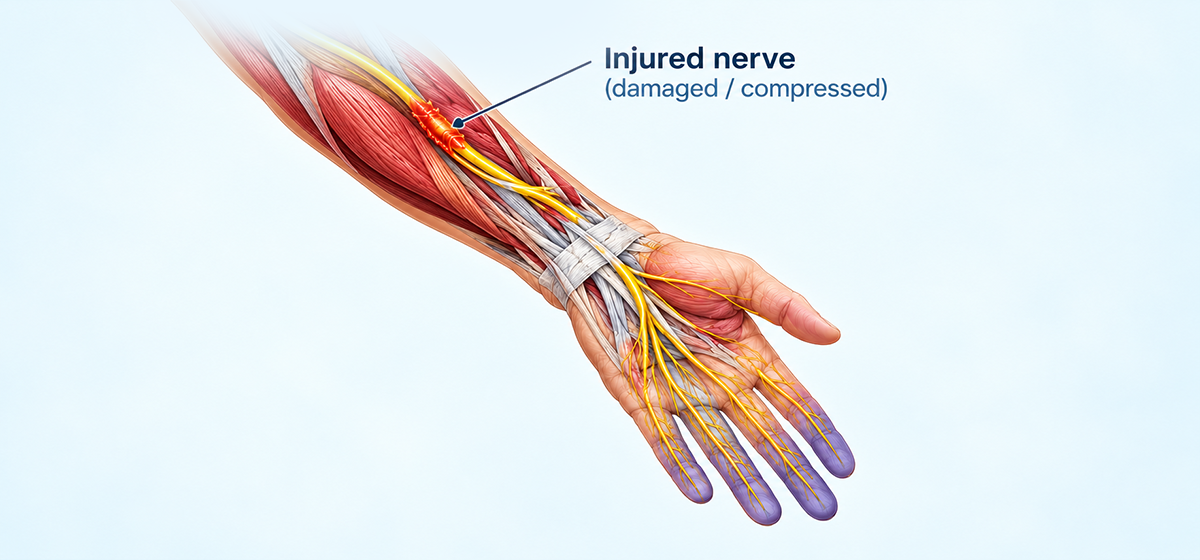
Evaluation of peripheral nerve injuries and their effects on sensation, movement and limb function.
Learn More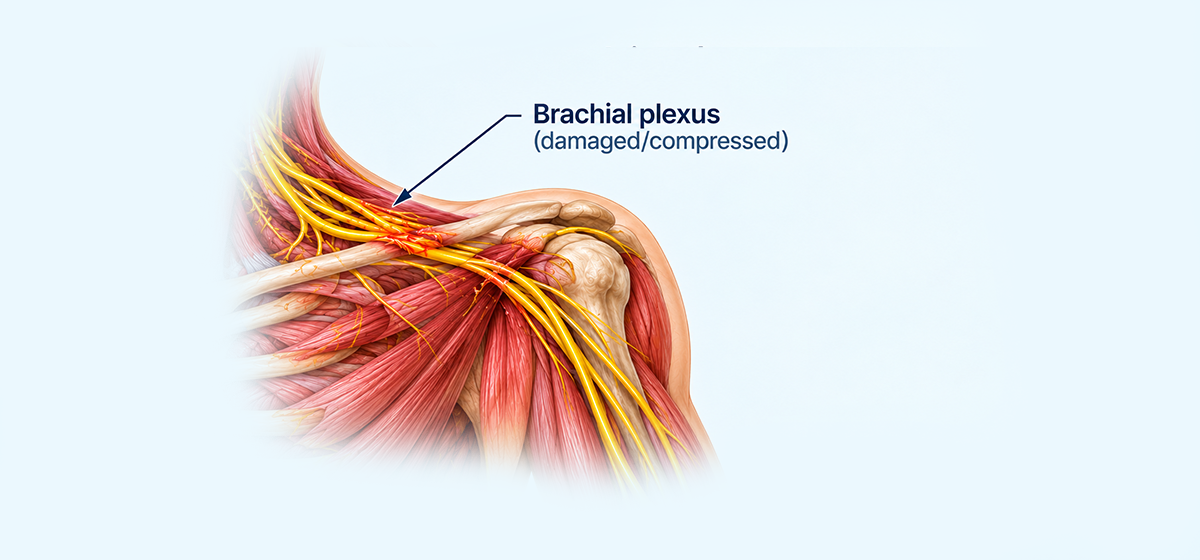
Assessment and management planning for conditions affecting the nerves supplying the arm and hand.
Learn More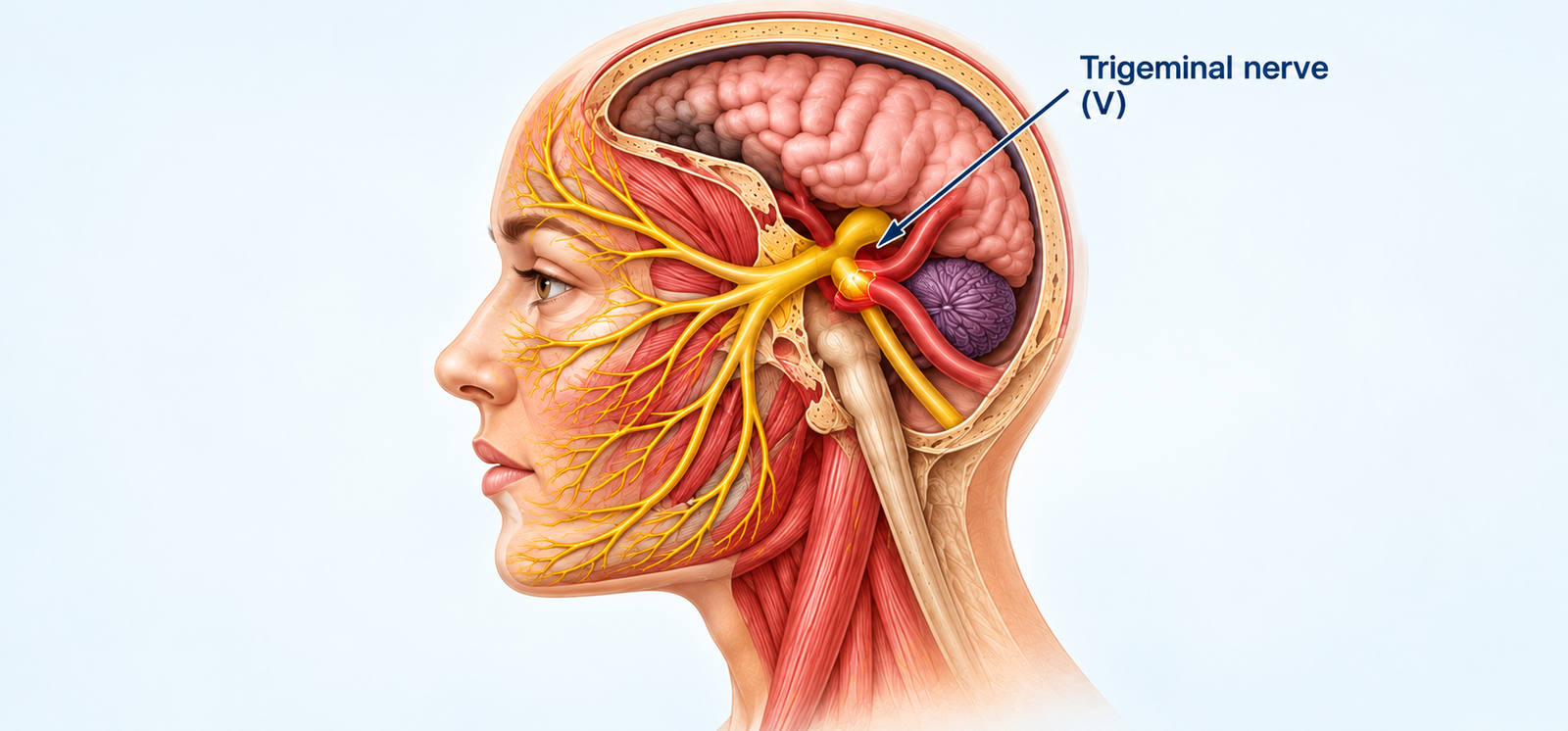
Evaluation of severe facial pain related to irritation or compression of the trigeminal nerve.
Learn More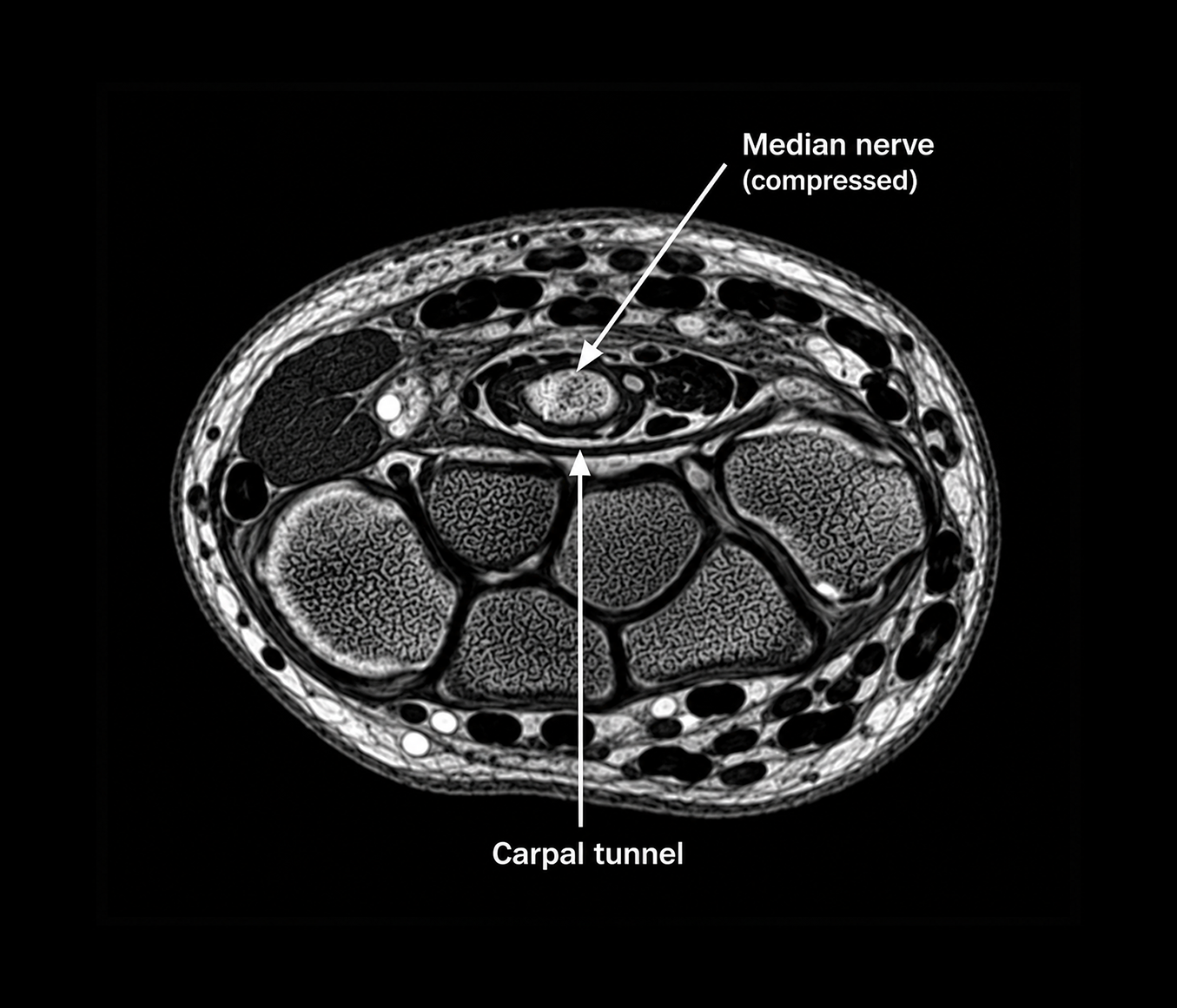
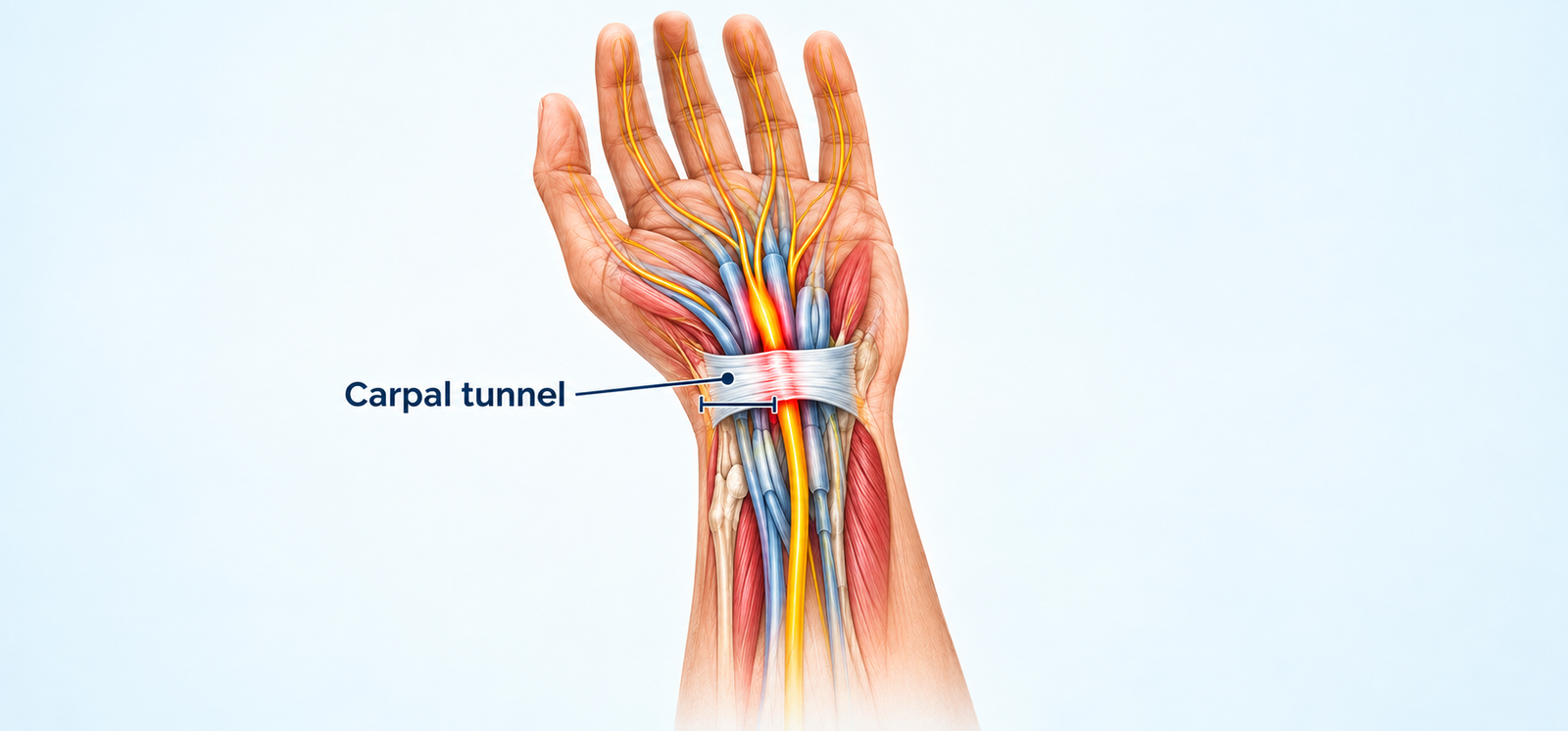
Carpal tunnel syndrome occurs when the median nerve is compressed as it passes through the carpal tunnel at the wrist. Compression can affect sensation and hand function, with symptoms often involving the thumb, index, middle and part of the ring finger.
Evaluation includes clinical and neurological assessment with appropriate testing when required to understand the severity and functional effects of nerve compression. Treatment planning is individualized according to symptoms, duration, neurological findings and functional impact, with conservative or surgical treatment considered when appropriate.
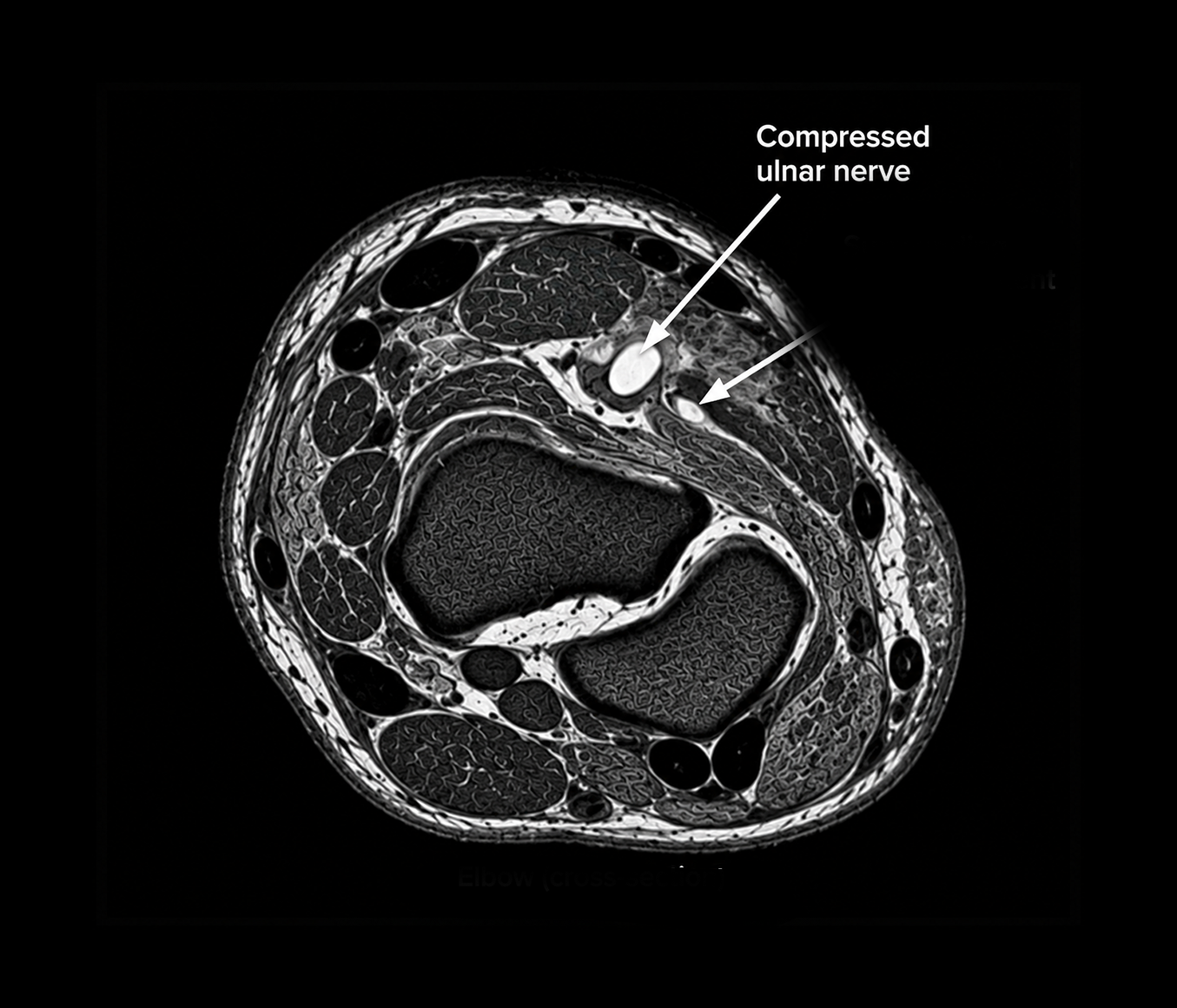
Entrapment Syndrome occurs when a nerve is placed under pressure along its course, commonly around areas where nerves pass through narrow anatomical spaces. Depending on the affected nerve, symptoms may involve pain, tingling, numbness or weakness in the corresponding limb.
Assessment includes clinical and neurological examination to identify the affected nerve and understand the pattern of symptoms. Appropriate imaging or nerve testing may be considered when required, with treatment planning based on severity, duration, neurological findings and functional impact.
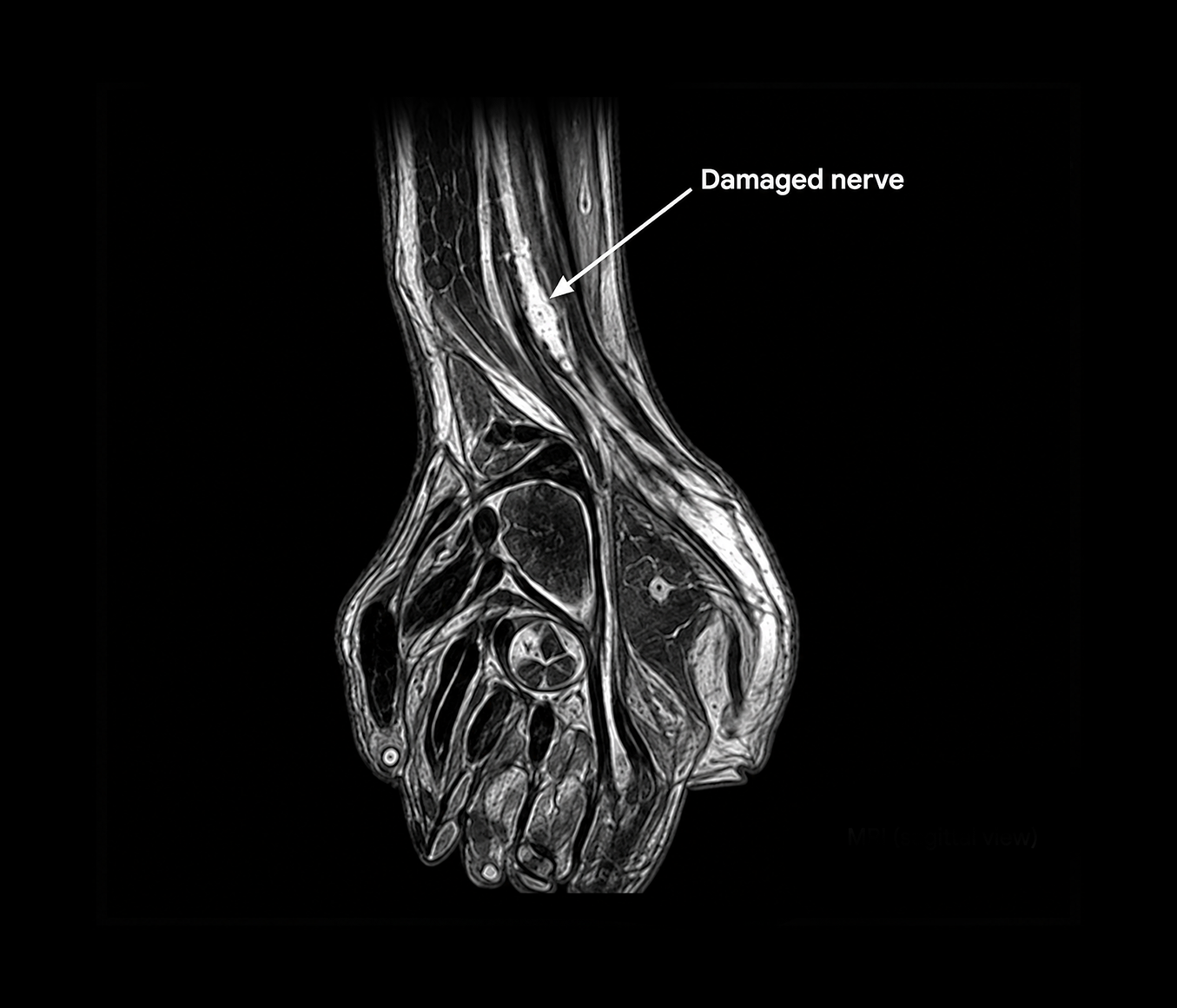
Peripheral nerve injuries can occur following trauma, accidents, fractures, penetrating injuries or other causes that affect the nerves supplying the limbs. The resulting effects depend on the location and severity of the injury and may involve sensation, movement or both.
Evaluation includes detailed neurological examination and appropriate imaging or nerve studies when required to understand the affected nerve and degree of injury. Treatment planning depends on the injury pattern, neurological findings, duration and potential for recovery, with appropriate conservative or surgical management considered.
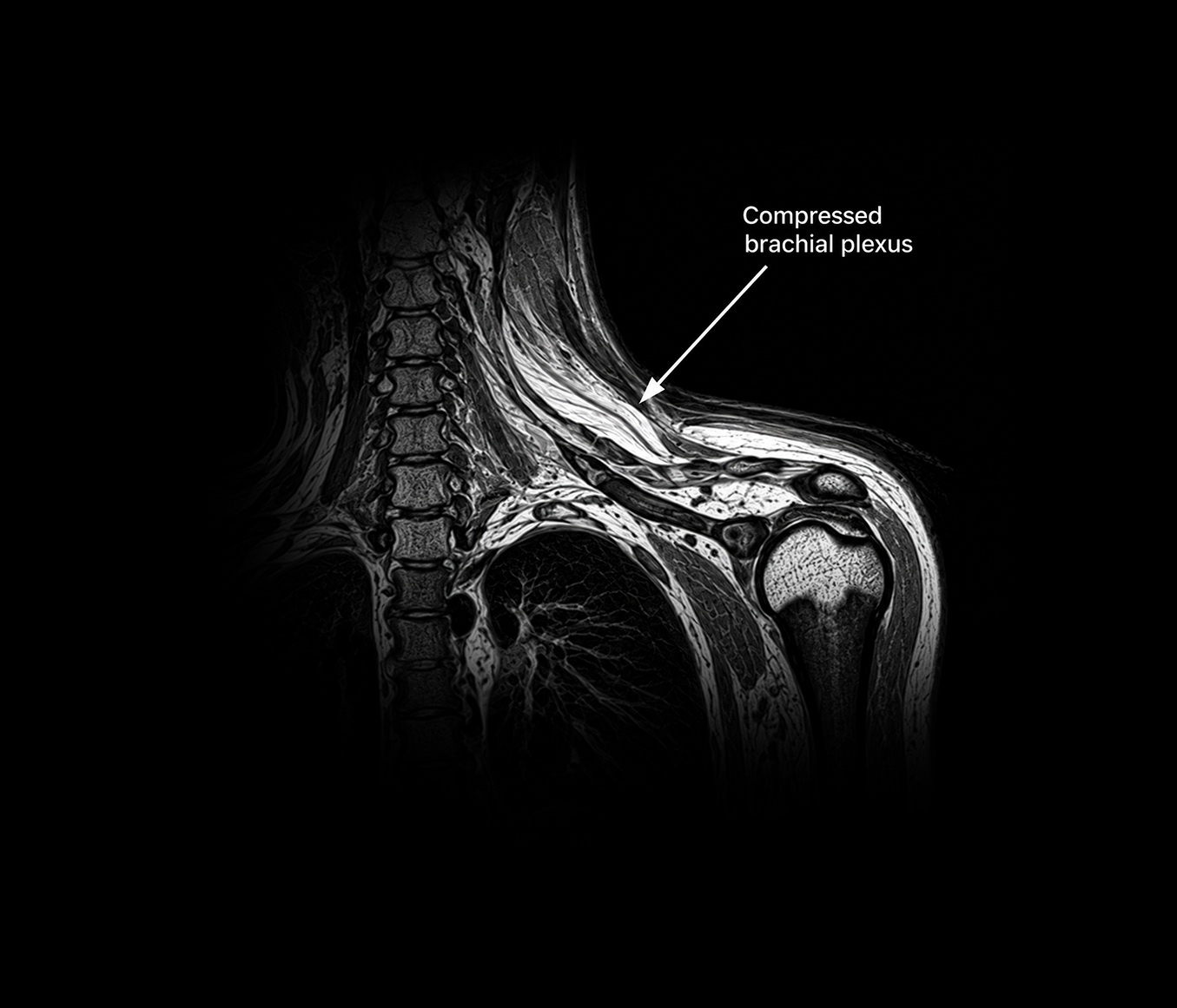
The brachial plexus is a network of nerves that carries signals from the spinal cord to the shoulder, arm and hand. Disorders can result from trauma, compression or other conditions and may affect strength, sensation and movement throughout the upper limb.
Evaluation includes detailed neurological examination and appropriate imaging or nerve studies to understand the location and extent of nerve involvement. Treatment planning is individualized according to the underlying cause, neurological findings, duration and functional impact, with appropriate management considered when clinically indicated.
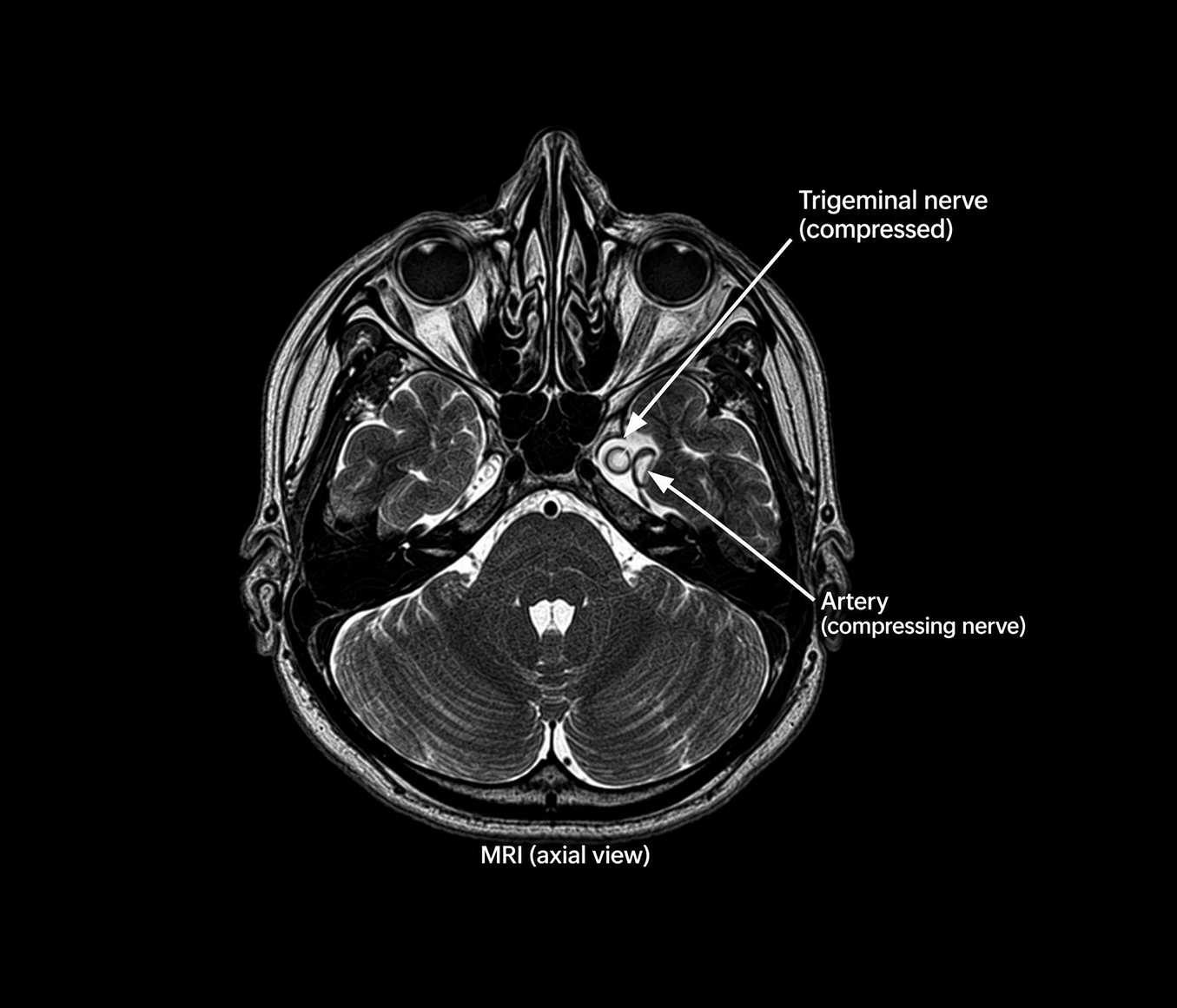
Trigeminal neuralgia is a condition involving the trigeminal nerve, which carries sensation from the face to the brain. It can cause episodes of severe, brief facial pain that may be triggered by activities such as touching the face, chewing, speaking or brushing the teeth.
Evaluation includes detailed clinical and neurological assessment with appropriate imaging when required to understand the possible cause of nerve irritation or compression. Treatment planning is individualized according to symptom pattern, duration, response to previous treatment and overall clinical findings.