
Trauma & Emergency Neurosurgery
Specialized neurosurgical care for serious and time-sensitive injuries involving the brain, skull, spinal cord and spine. We provide prompt assessment of traumatic injuries, including head injuries, intracranial bleeding, skull fractures and spinal trauma, to determine the severity of the condition and the need for urgent treatment. Care may include close neurological monitoring, medical management or timely surgical intervention based on the individual injury.
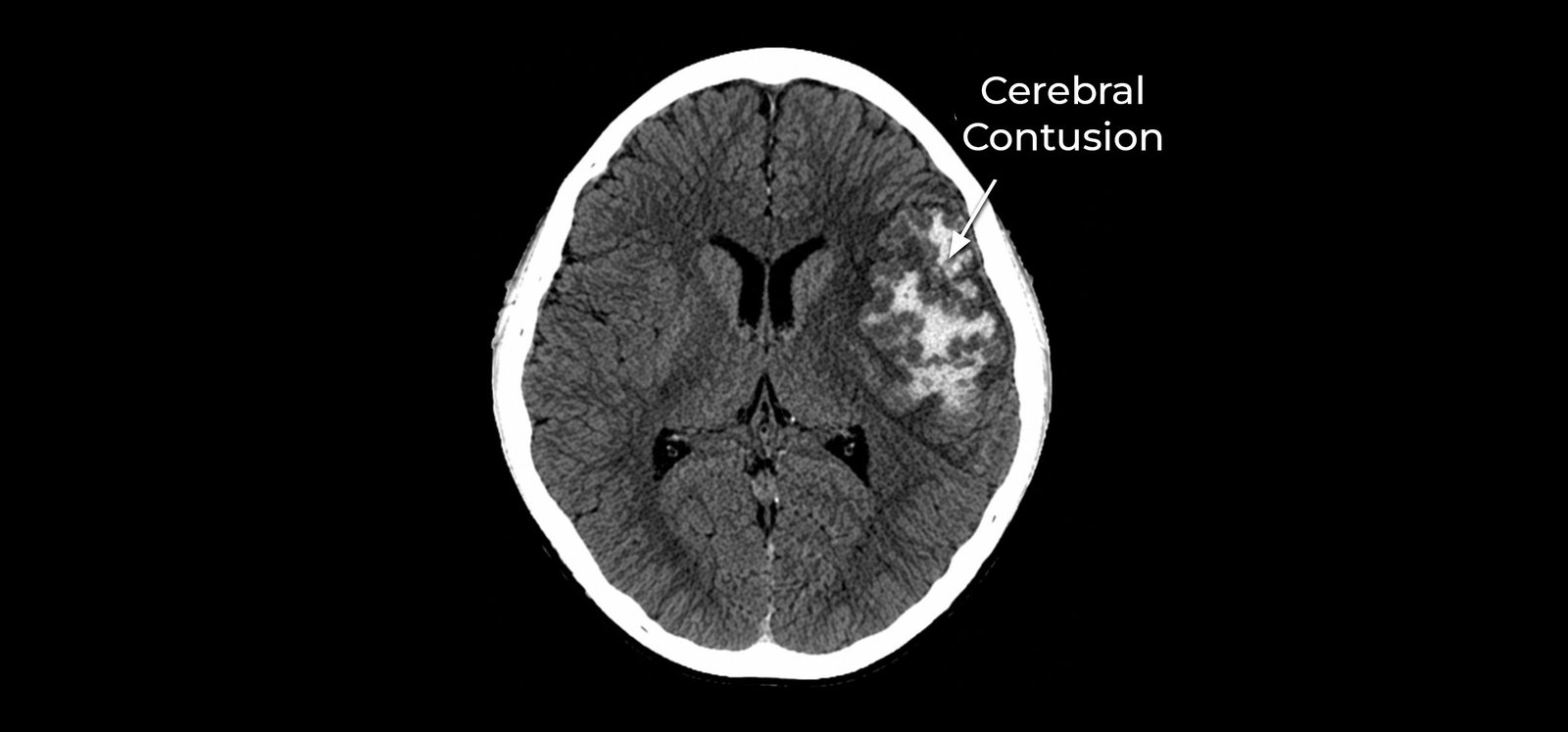
Cerebral Contusion
Evaluation and management of cerebral contusions, where traumatic impact causes bruising and injury to brain tissue.
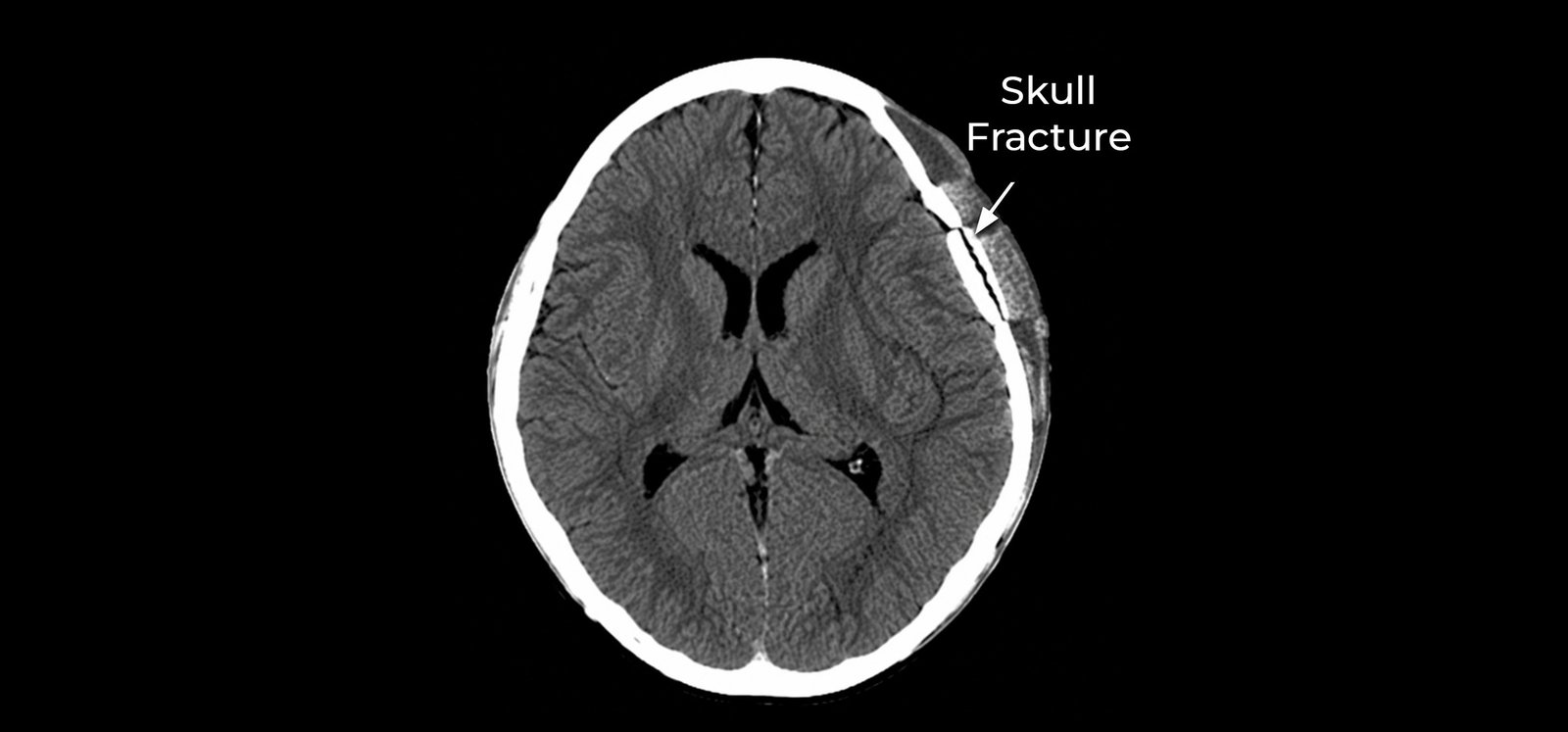
Skull Fractures
Focused assessment and neurosurgical management of skull fractures following significant head trauma.
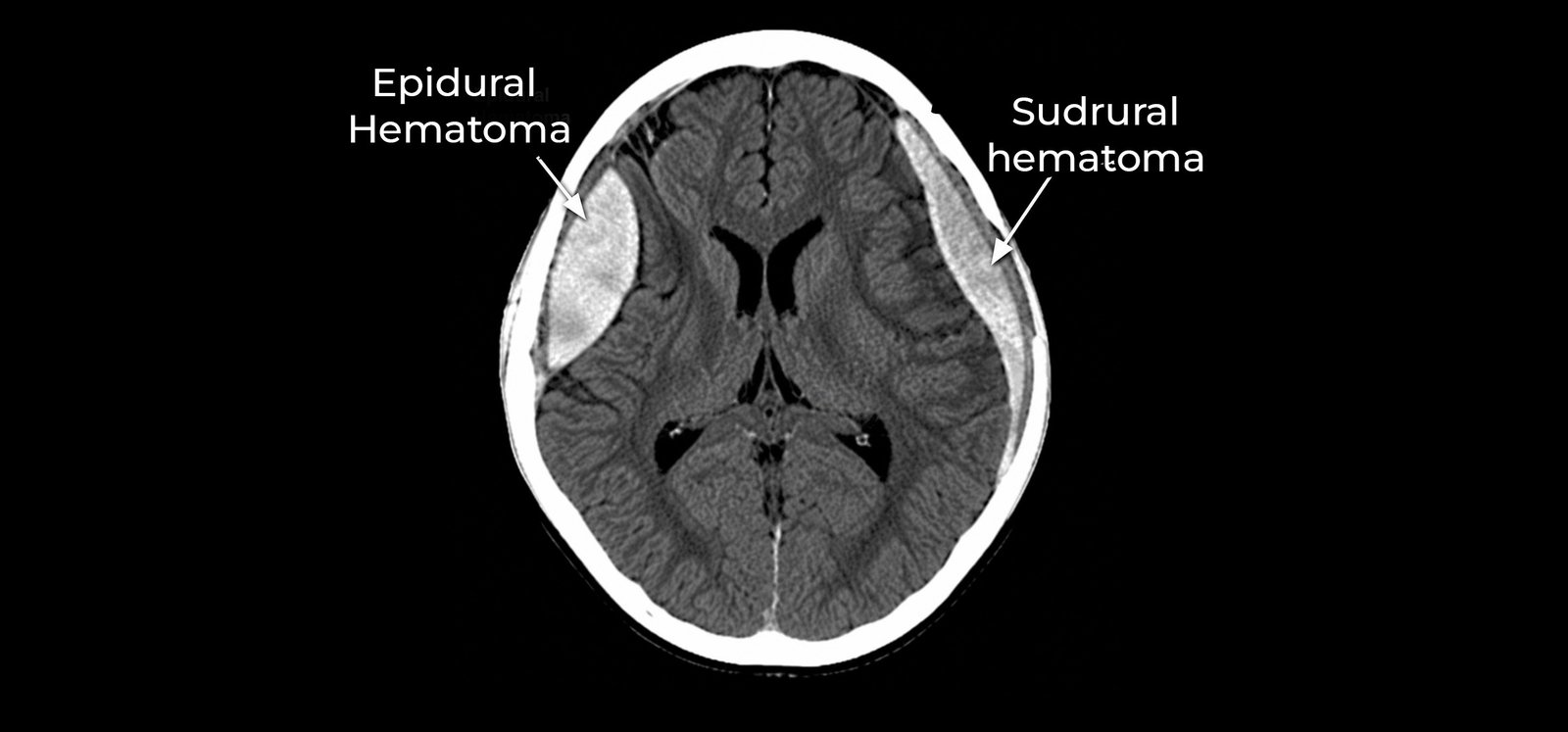
Epidural & Subdural Hematomas
Urgent evaluation and management of traumatic bleeding occurring within or around the brain.
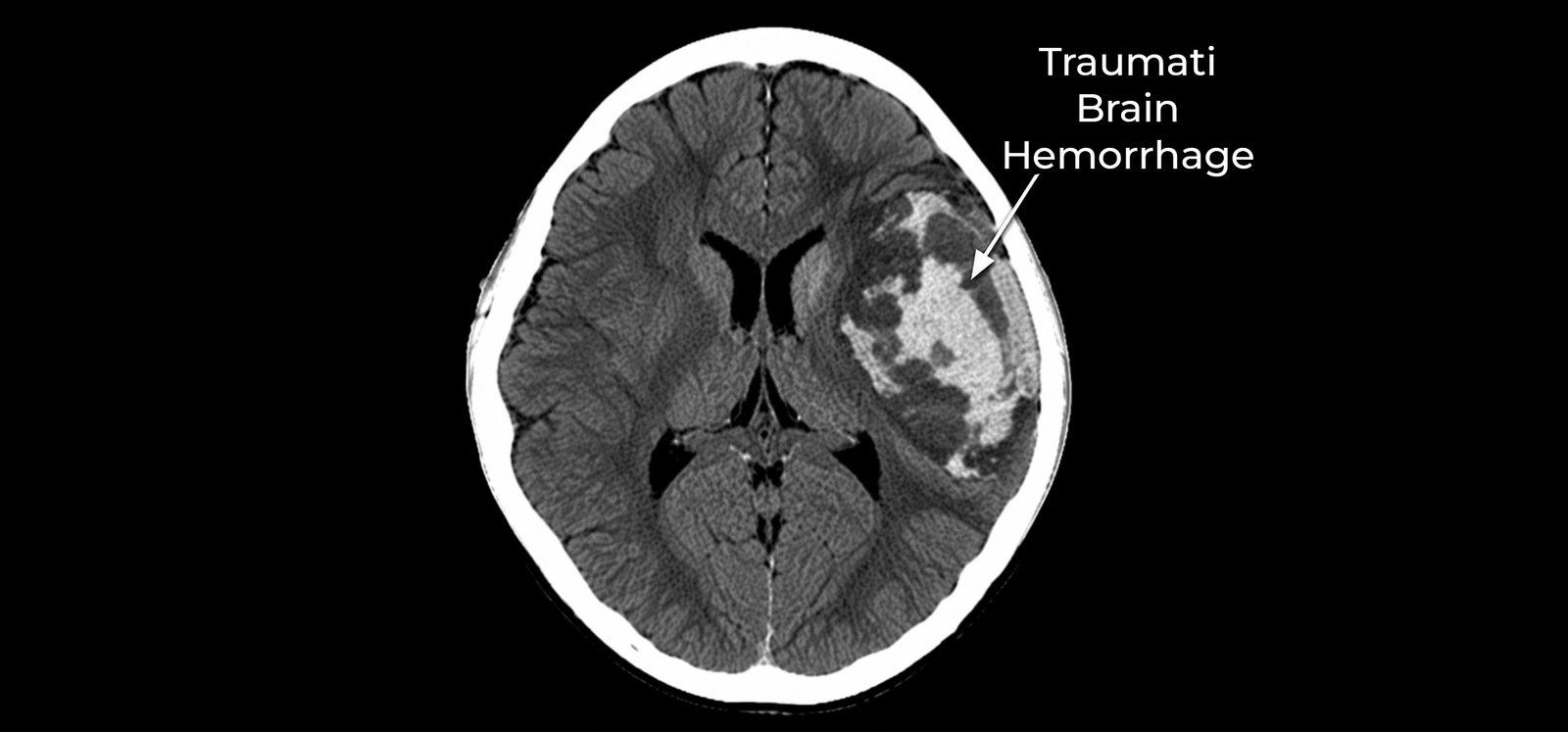
Traumatic Brain Hemorrhage
Focused neurosurgical assessment for bleeding within or around the brain following traumatic injury.
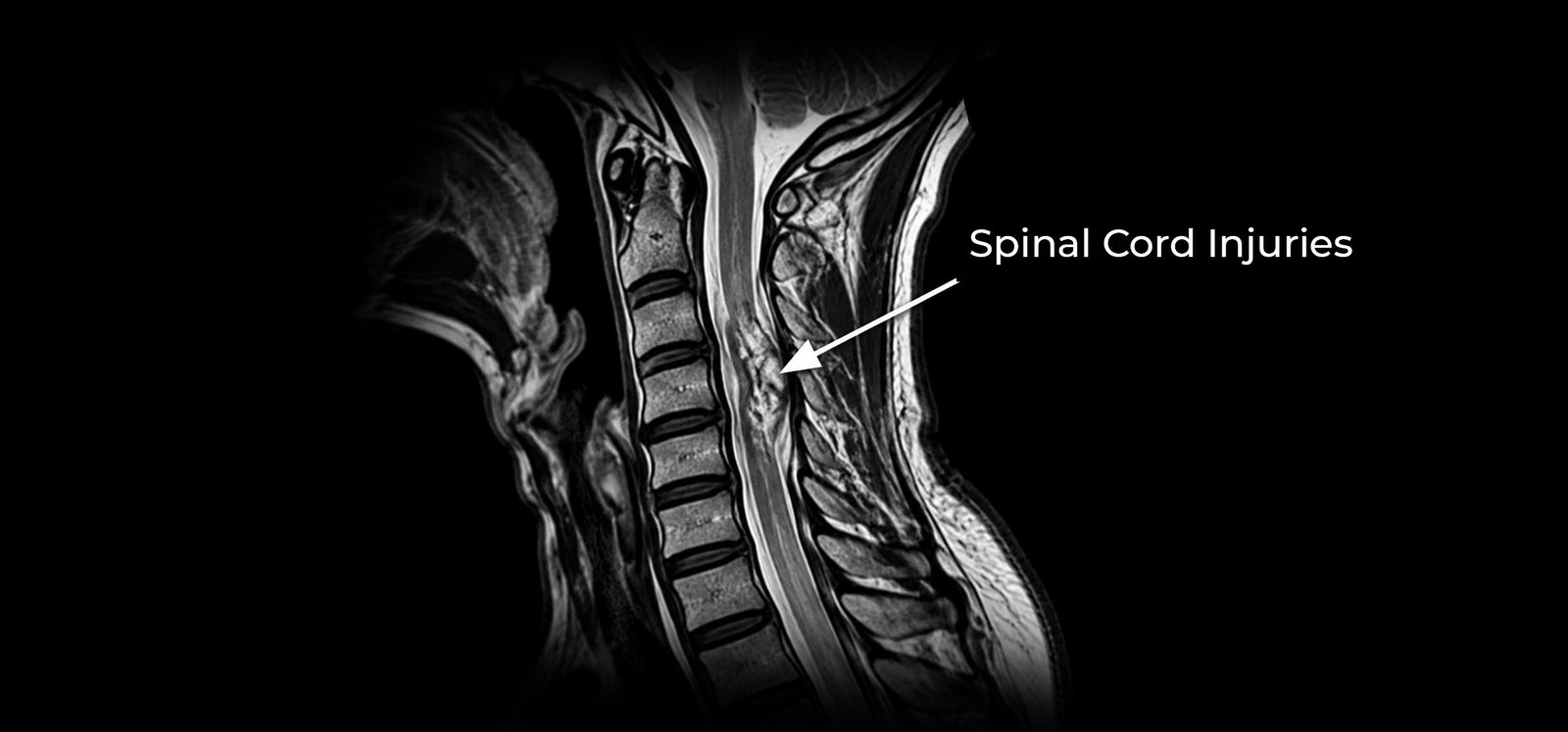
Spinal Cord Injuries
Specialized assessment and management of traumatic injuries involving the spinal cord and surrounding structures.
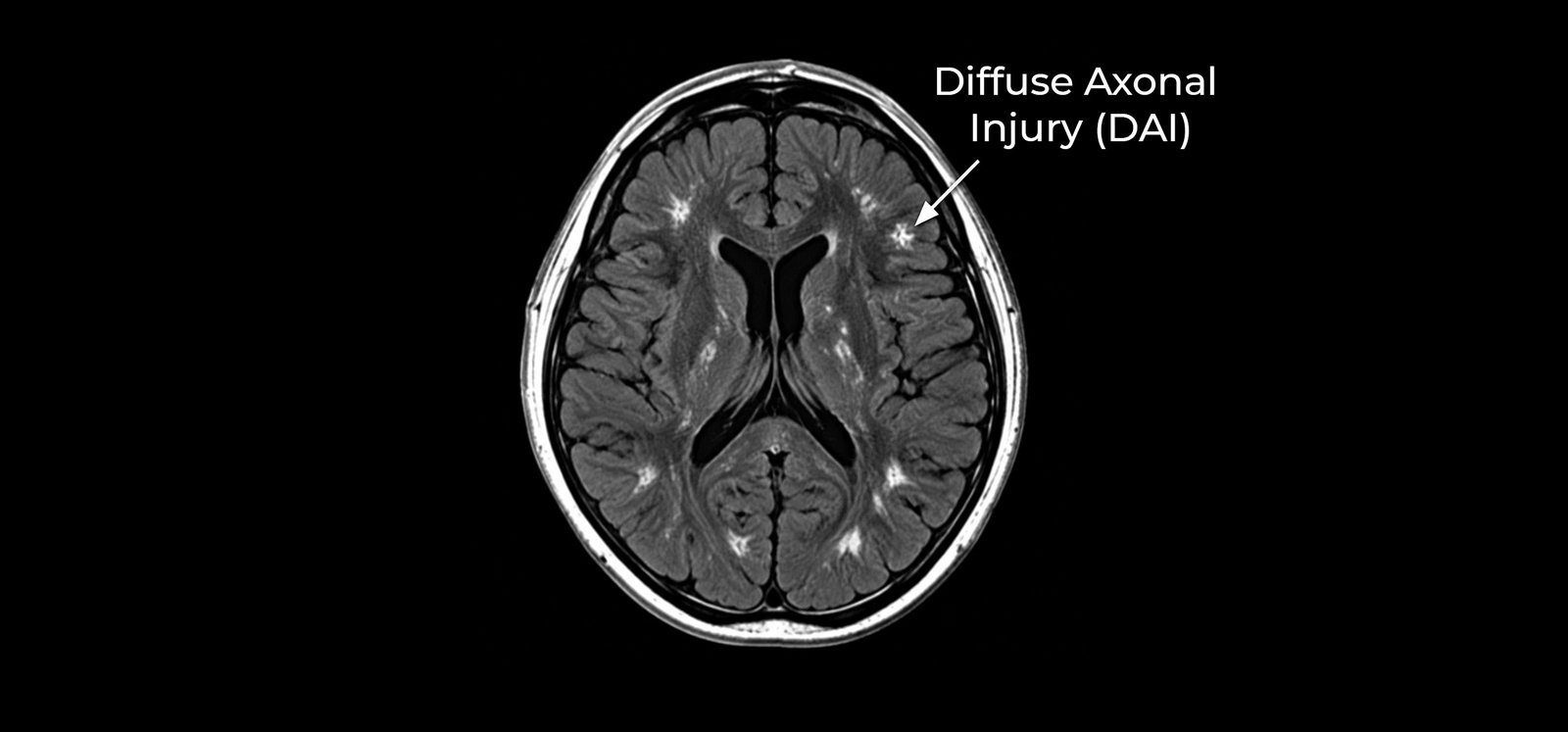
Diffuse Axonal Injury (DAI)
Careful evaluation of diffuse injury to the brain's nerve fibres following significant acceleration or deceleration trauma.
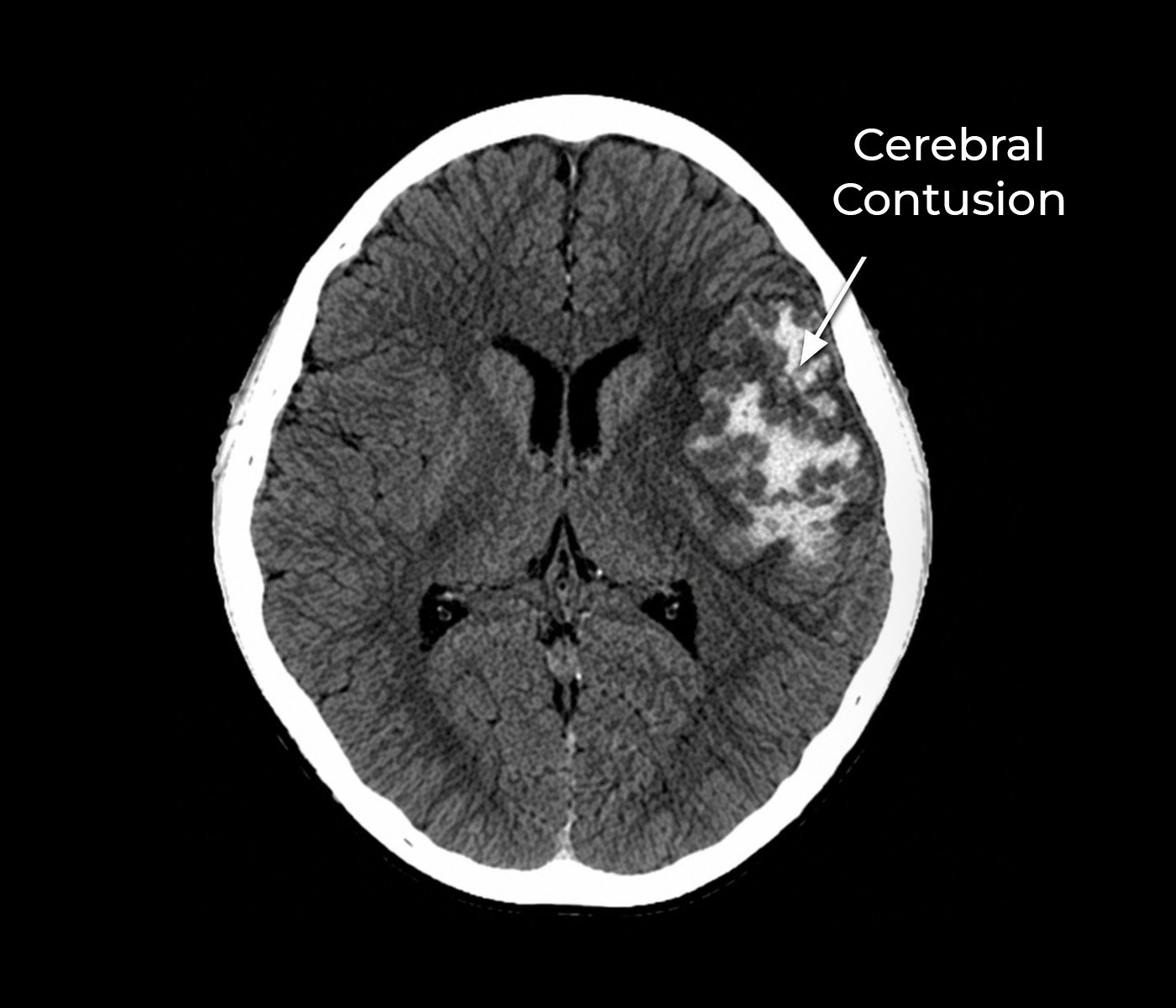
Cerebral Contusion
Focused Care Following Traumatic Brain Injury
Cerebral contusion refers to bruising and injury of the brain tissue following a traumatic impact. Careful clinical assessment helps determine the location and severity of the contusion and whether close monitoring or neurosurgical attention may be required.
Evaluation may include neurological examination and appropriate brain imaging to assess the extent of the injury. Treatment is guided by the patient's clinical condition, imaging findings and the severity and pattern of trauma.
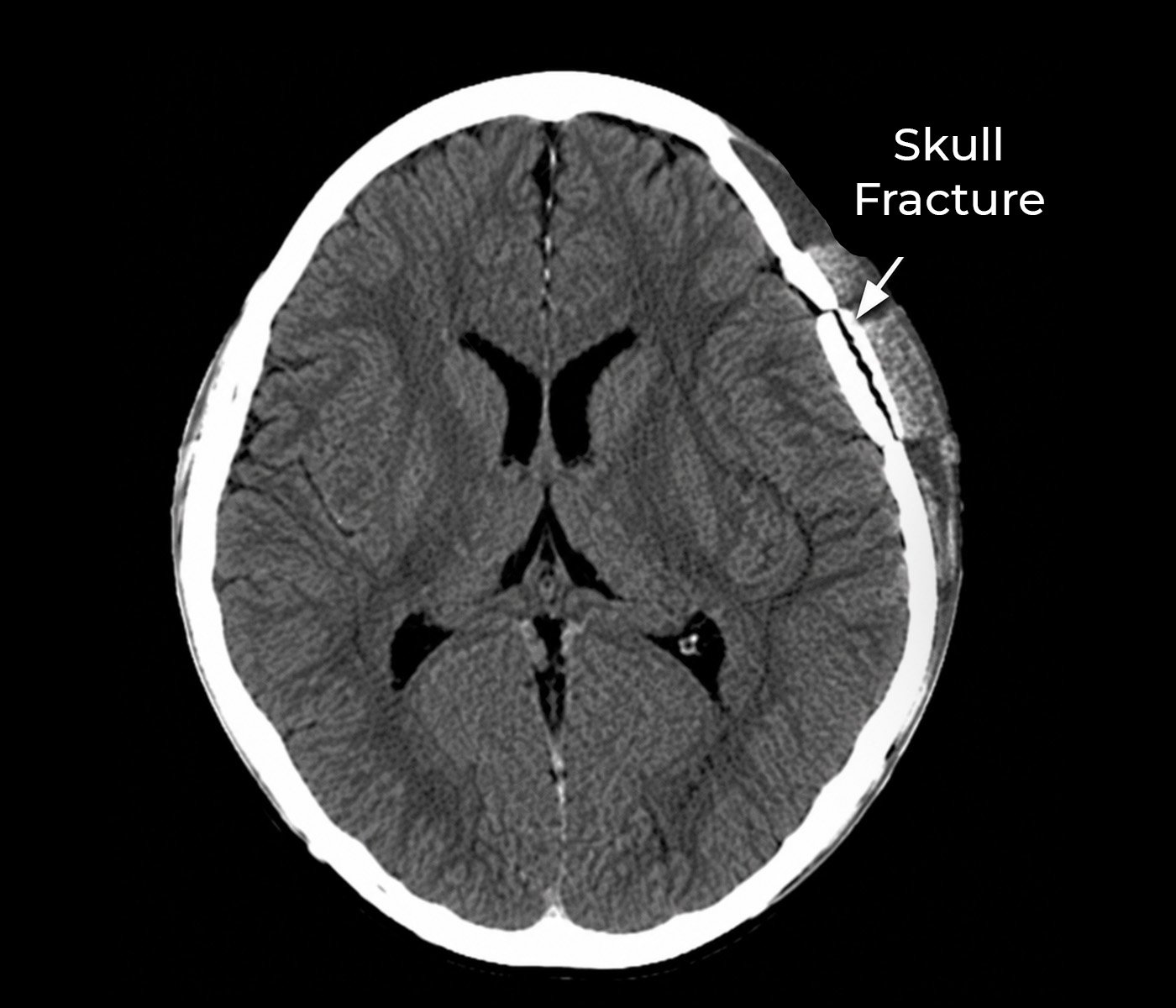
Skull Fractures
Careful Assessment of Traumatic Skull Injuries
A skull fracture occurs when significant trauma causes a break or crack in one or more bones of the skull. While some fractures may be relatively limited, others can occur alongside injury to the underlying brain or bleeding within the skull.
Assessment focuses on the location and extent of the fracture, associated brain injury and the patient's neurological status. Imaging helps establish the pattern of injury and guides the appropriate course of treatment and monitoring.
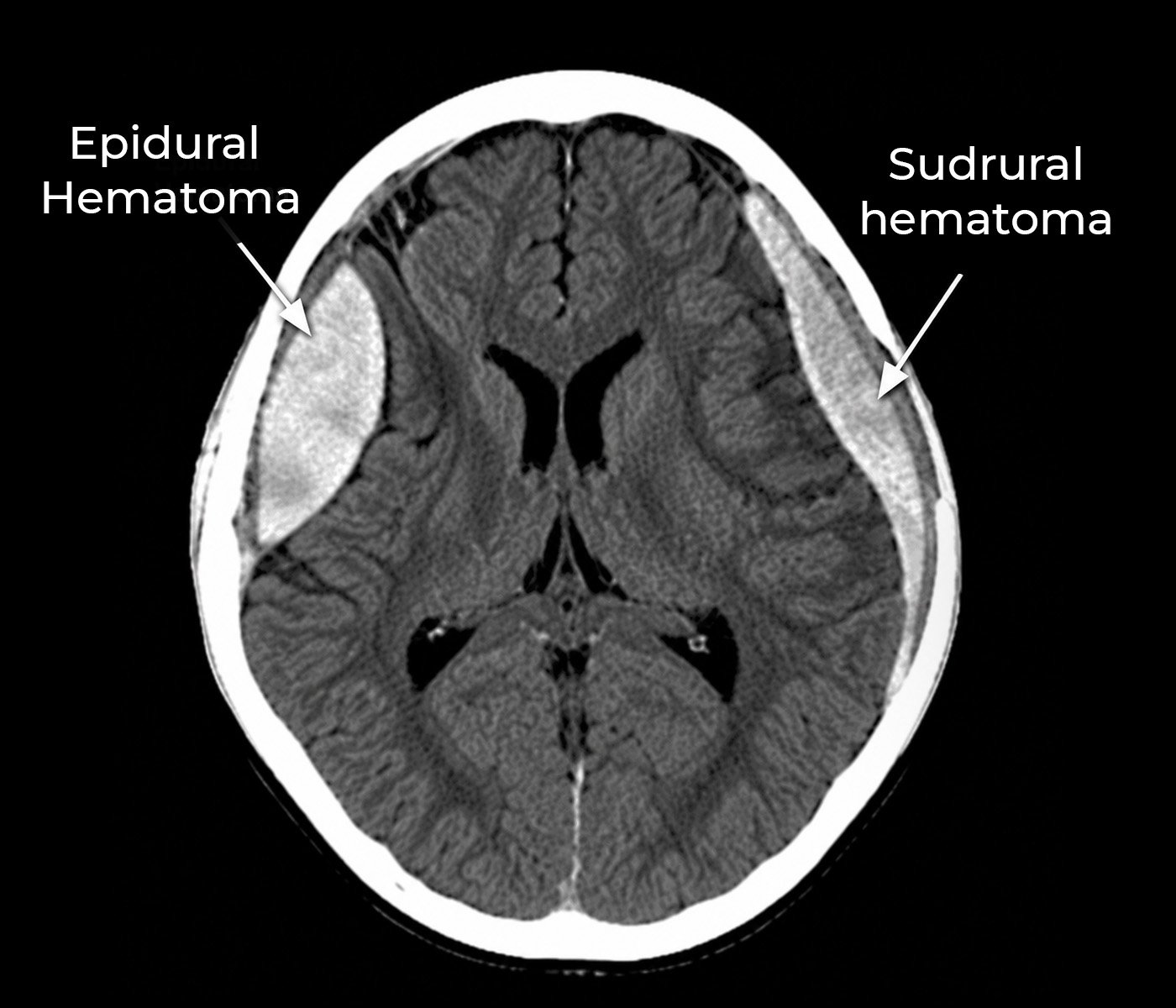
Epidural & Subdural Hematomas
Urgent Evaluation of Traumatic Intracranial Bleeding
Epidural and subdural hematomas are collections of blood that develop within the skull following injury. Depending on their size, location and effect on the brain, they can represent a serious condition requiring prompt medical assessment.
Evaluation generally includes neurological examination and brain imaging to determine the location and extent of bleeding. Treatment decisions depend on symptoms, imaging findings, neurological status and the overall clinical condition.
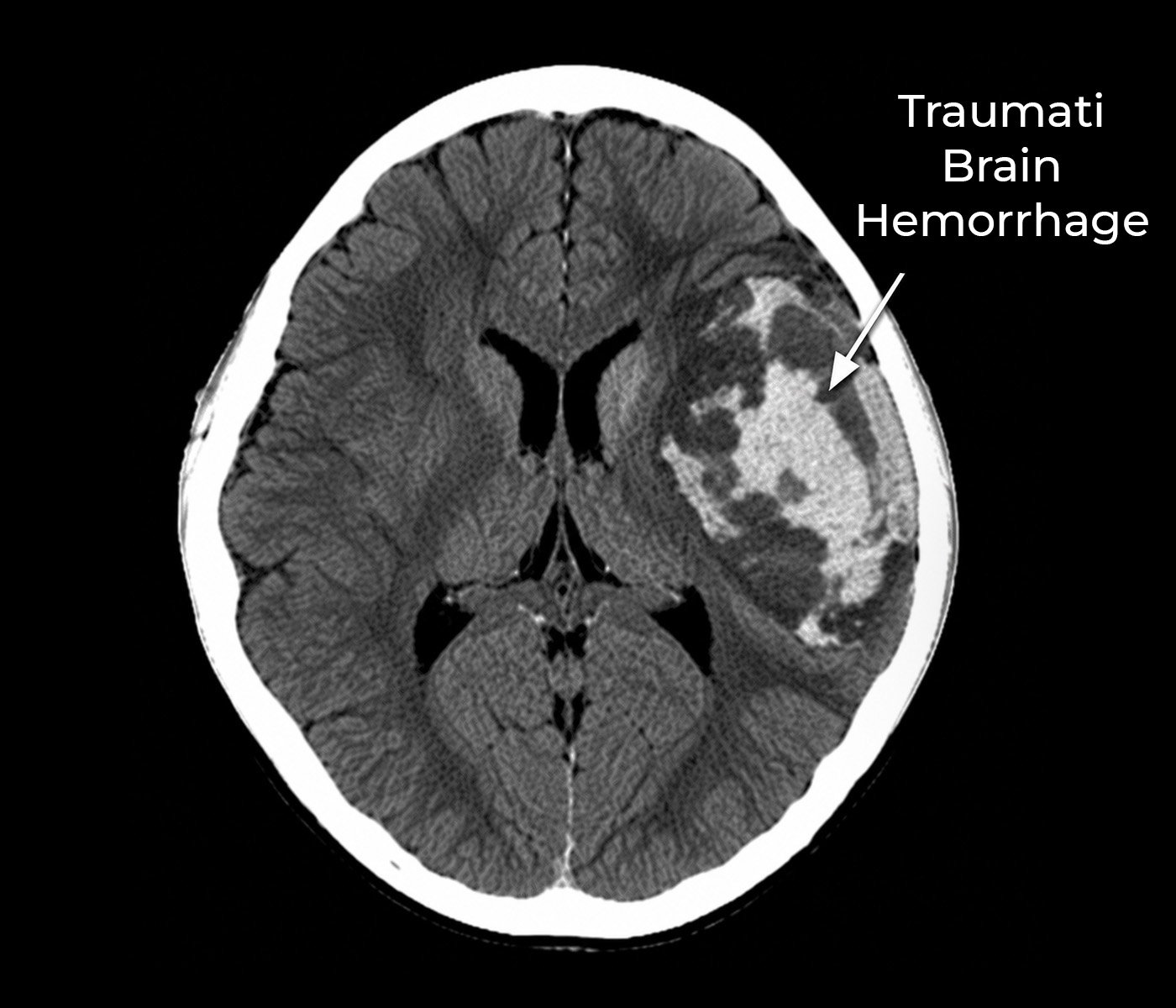
Traumatic Brain Hemorrhage
Timely Assessment When Head Trauma Causes Brain Bleeding
Traumatic brain hemorrhage refers to bleeding within or around the brain that occurs following a head injury. The location and amount of bleeding can influence neurological function and may determine how urgently assessment and treatment are required.
Prompt evaluation is important when significant trauma is accompanied by altered consciousness, severe headache, vomiting, seizures or neurological changes. Brain imaging helps identify the type and extent of hemorrhage.
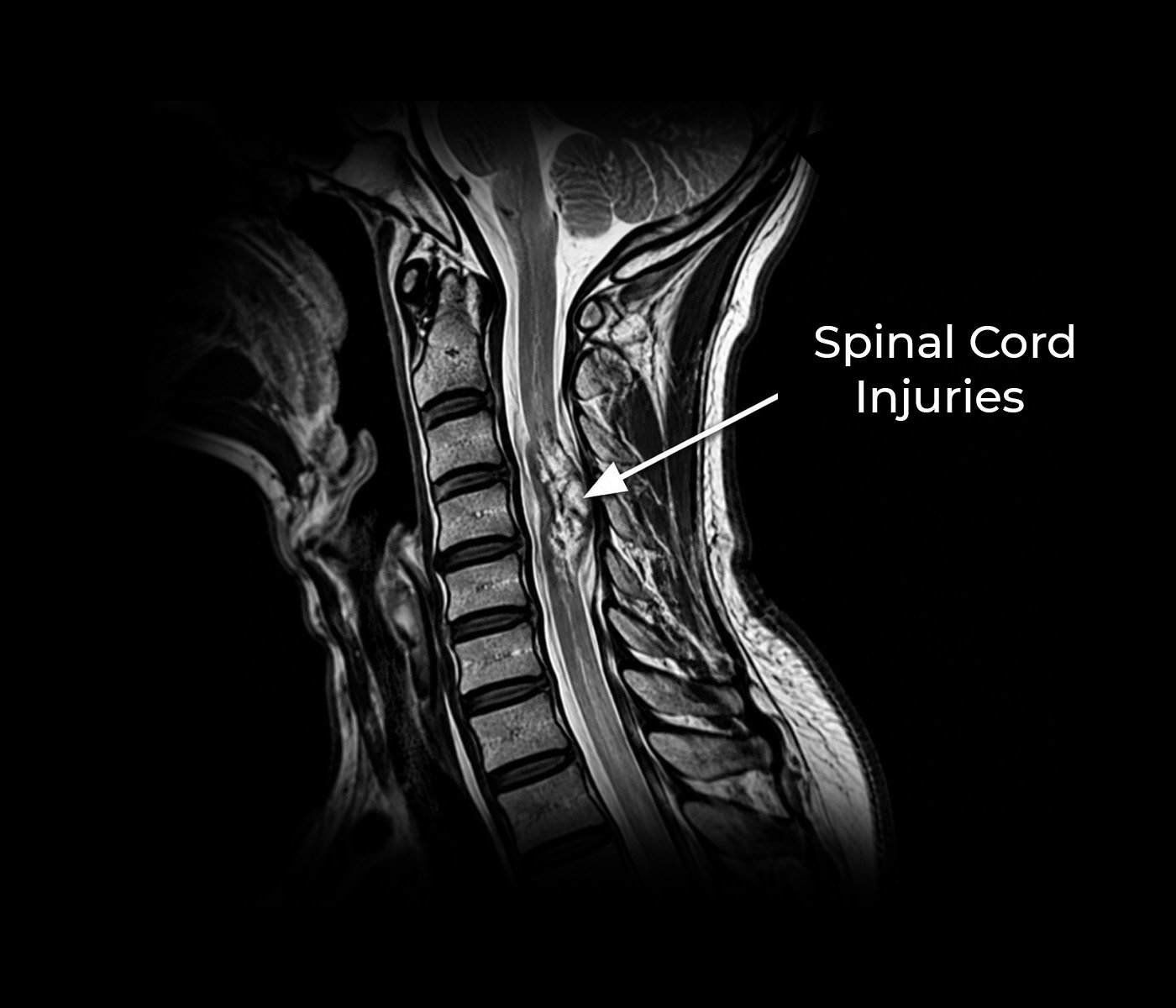
Spinal Cord Injuries
Specialized Care for Traumatic Spinal Cord Injury
Spinal cord injuries can occur when trauma damages the spinal cord or the structures surrounding it. Depending on the level and severity of injury, patients may experience changes in movement, sensation or other neurological functions.
Early assessment helps identify spinal instability, compression and associated neurological injury. Clinical examination and appropriate imaging help determine the extent of injury and guide decisions regarding further treatment.
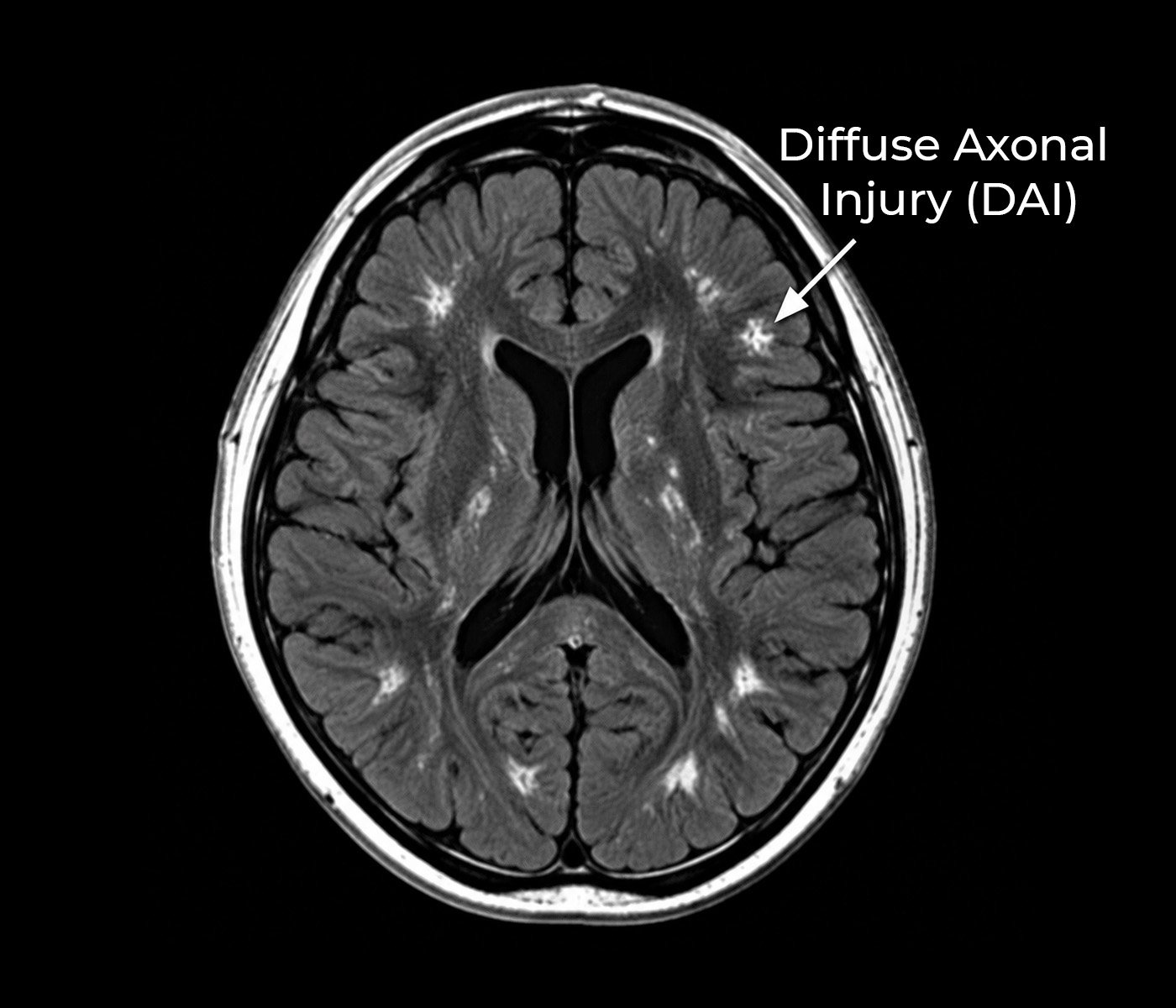
Diffuse Axonal Injury (DAI)
Careful Assessment Following Significant Head Trauma
Diffuse axonal injury is a form of traumatic brain injury in which widespread injury occurs to the brain's nerve fibres, commonly following significant acceleration, deceleration or rotational forces. The clinical effects can vary depending on the extent and areas of the brain involved.
Assessment focuses on the patient's neurological condition, level of consciousness and associated traumatic injuries. Brain imaging, including appropriate MRI evaluation when clinically indicated, may help identify areas of axonal injury and guide ongoing management.