INFLAMMATORY CONDITION
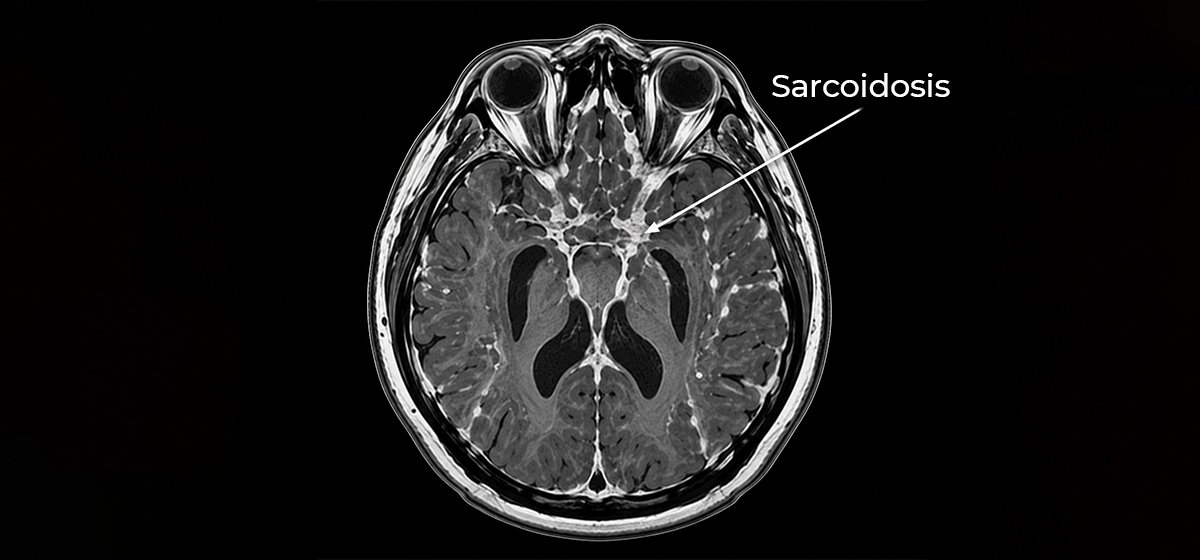
Sarcoidosis
An inflammatory condition that can occasionally involve the nervous system and produce lesions or imaging findings that resemble other intracranial conditions.
Learn More
Some inflammatory, infectious and demyelinating conditions can produce imaging findings or neurological symptoms that resemble a brain tumor. Careful clinical assessment, appropriate imaging and, when required, laboratory or other diagnostic evaluation help distinguish these conditions and guide individualized treatment planning.
An inflammatory condition that can occasionally involve the nervous system and produce lesions or imaging findings that resemble other intracranial conditions.
Learn More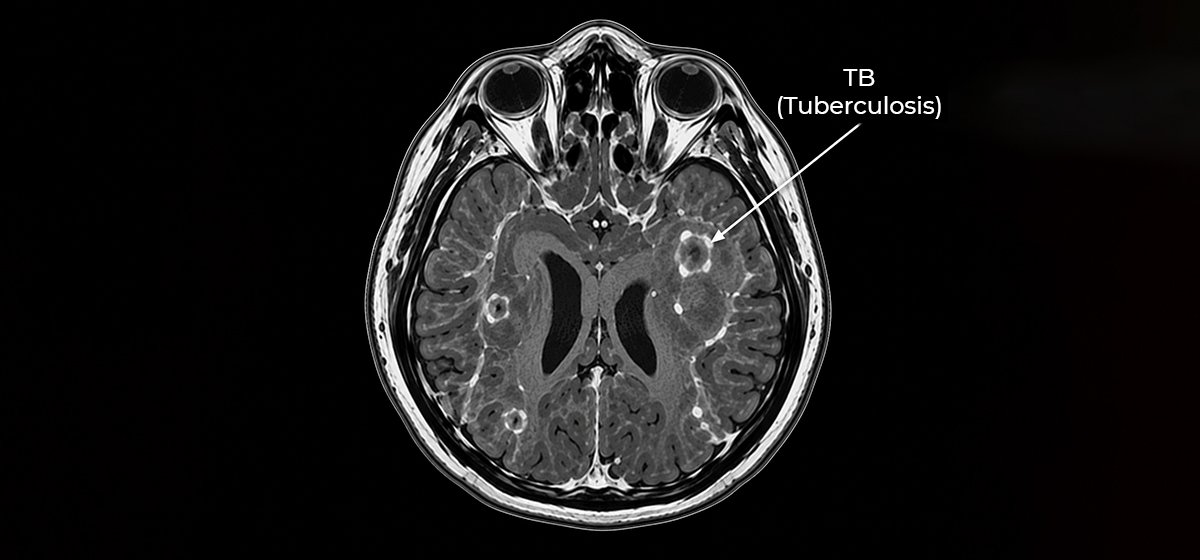
Tuberculosis can affect the central nervous system and may produce intracranial lesions that can resemble tumors on clinical or radiological assessment.
Learn More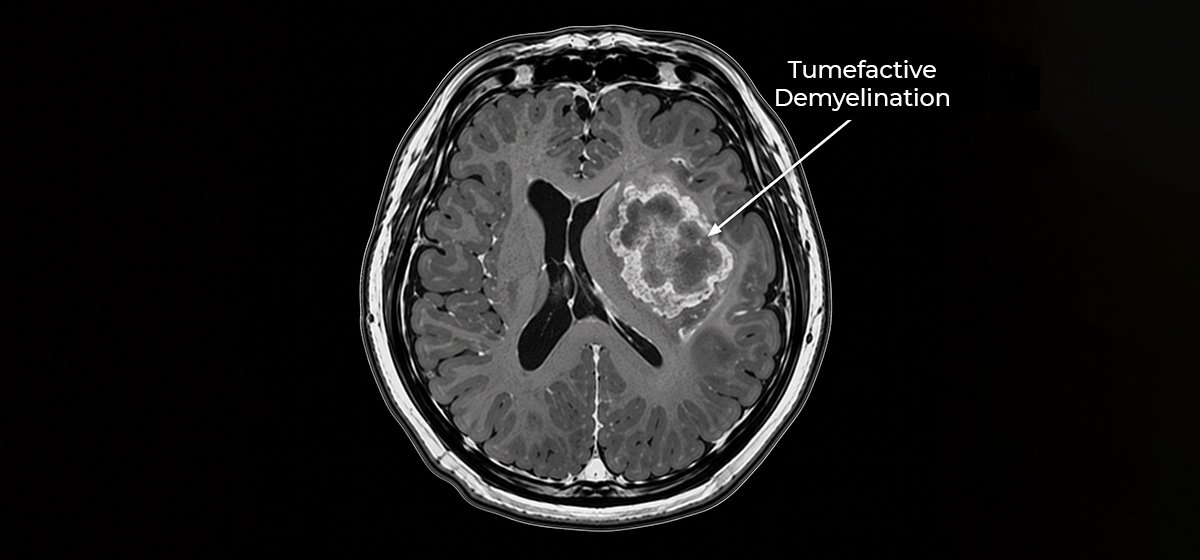
A demyelinating lesion that can appear mass-like on brain imaging and may closely resemble a tumor, requiring careful diagnostic assessment.
Learn More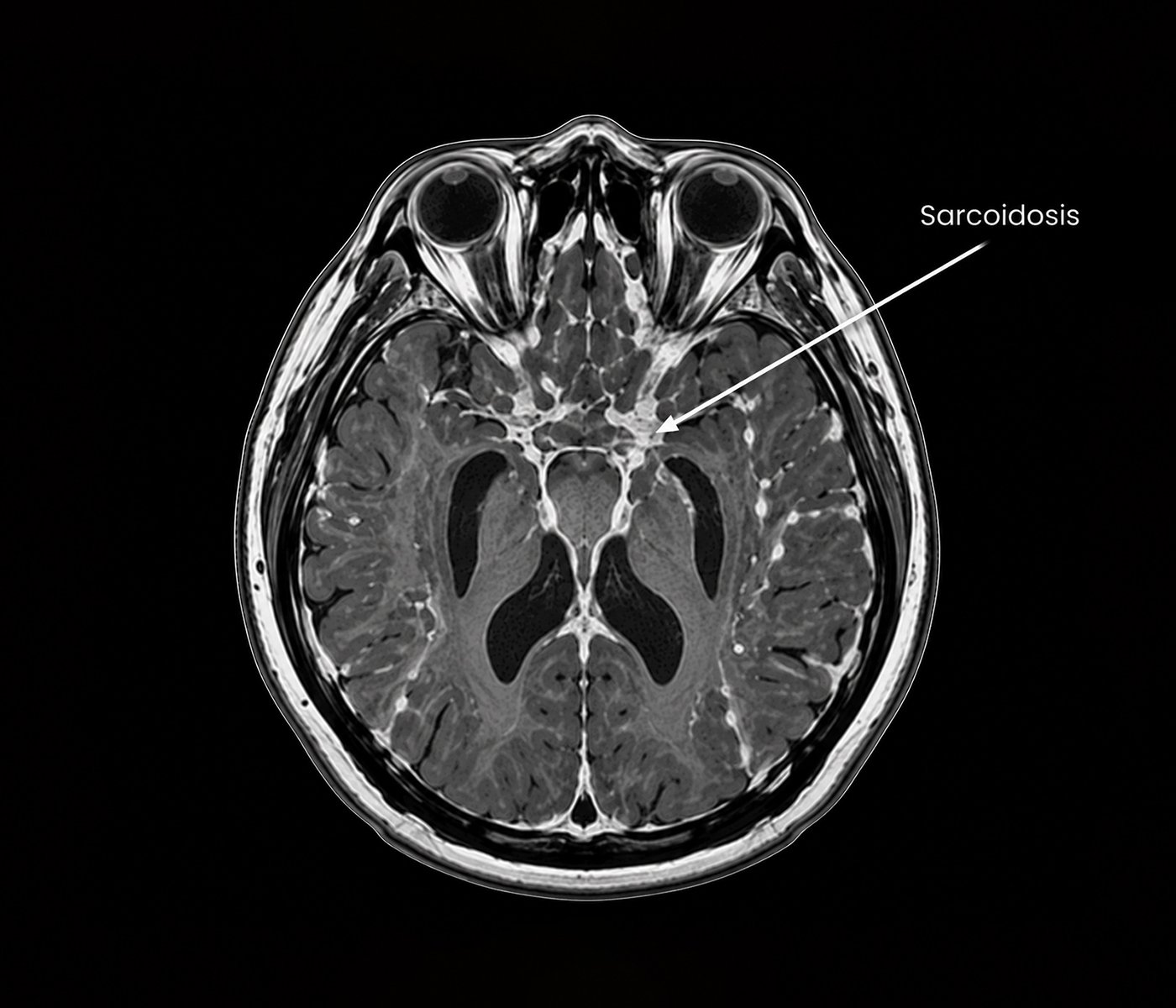
Sarcoidosis is an inflammatory condition in which clusters of inflammatory cells can develop in different parts of the body. When the nervous system is involved, it may affect the brain, meninges, cranial nerves or other neurological structures. Neurological sarcoidosis can sometimes produce symptoms or imaging findings that resemble an intracranial tumor, making careful evaluation important.
Assessment may include neurological examination, MRI or other appropriate imaging, blood or other laboratory tests and evaluation for involvement of other organs when clinically indicated. Treatment is directed toward the underlying inflammatory process and depends on the site and severity of involvement. In selected cases, tissue diagnosis may be required when imaging and clinical findings do not clearly establish the diagnosis.
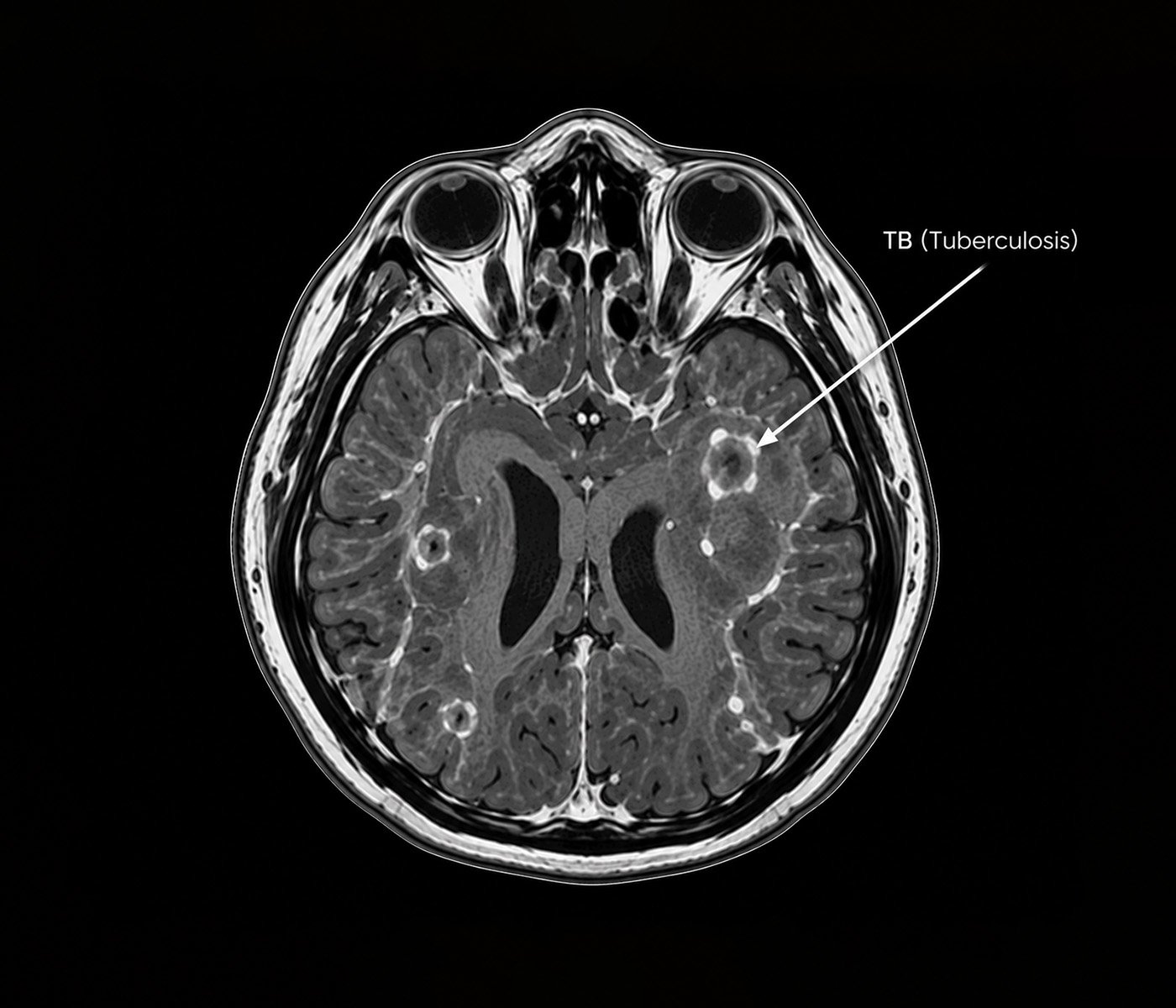
Tuberculosis can involve the central nervous system and produce conditions such as tuberculomas, meningitis or other inflammatory changes. Intracranial tuberculomas may appear as mass-like lesions on imaging and can sometimes resemble brain tumors. The clinical presentation varies according to the location, number and extent of involvement.
Evaluation may include detailed neurological assessment, brain imaging and appropriate investigations for tuberculosis or other infections. MRI findings, clinical history and laboratory results are considered together to help establish the diagnosis. Management primarily focuses on appropriate anti-tubercular treatment and management of neurological complications, with surgical intervention considered in selected circumstances when clinically appropriate.
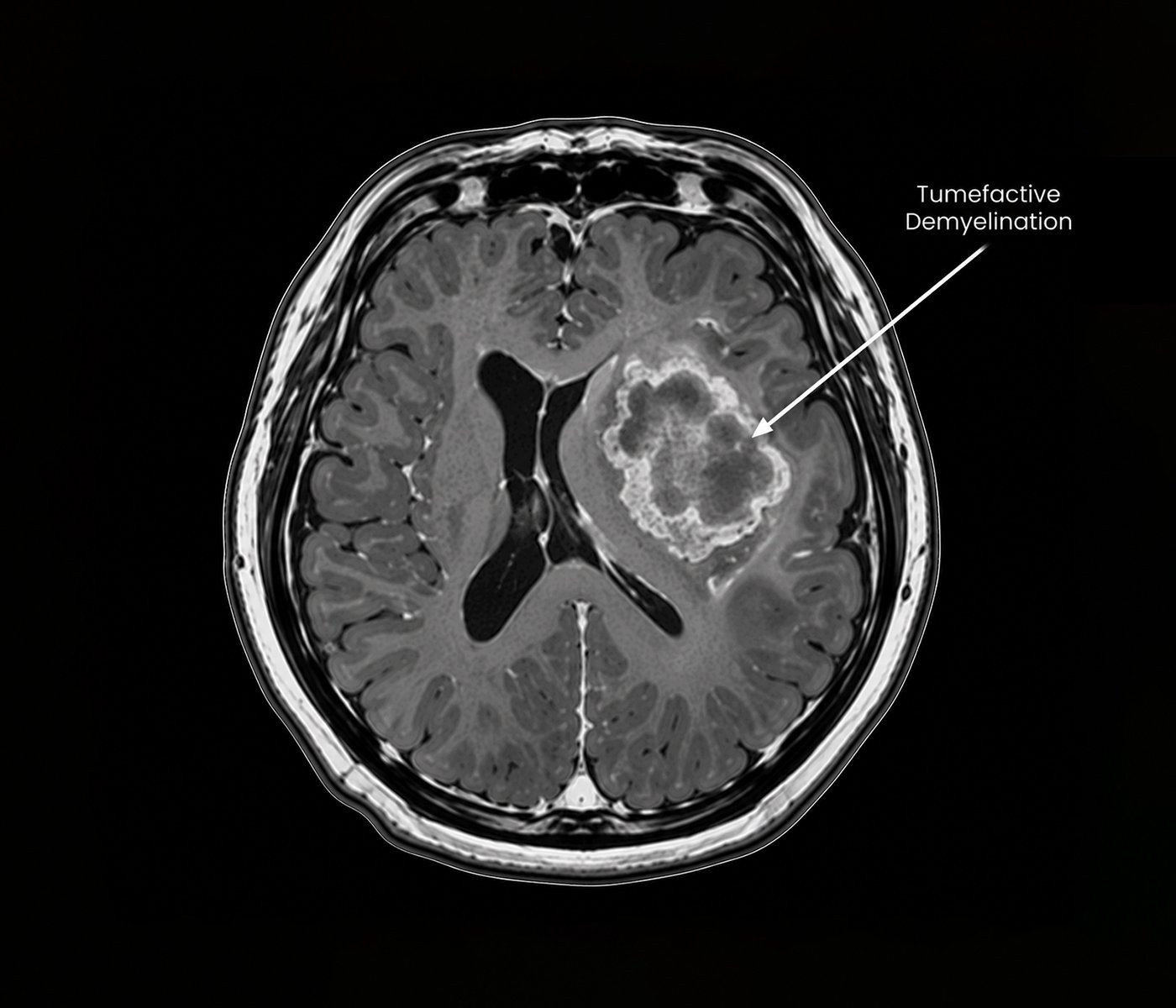
Tumefactive demyelination refers to a large demyelinating lesion that can have a mass-like appearance on brain imaging. Because its appearance may overlap with that of a brain tumor, careful interpretation of MRI findings together with the patient's clinical history and neurological examination is important. Symptoms depend on the location and extent of the lesion.
Evaluation commonly involves detailed MRI of the brain and may include additional investigations to assess for an underlying demyelinating disorder or to exclude infection, inflammation and neoplastic conditions. Management depends on the clinical context and diagnostic findings and may involve medical treatment directed toward the underlying inflammatory or demyelinating process. In uncertain cases, further diagnostic evaluation may be required before a definitive treatment pathway is selected.