VENTRICULAR TUMOR
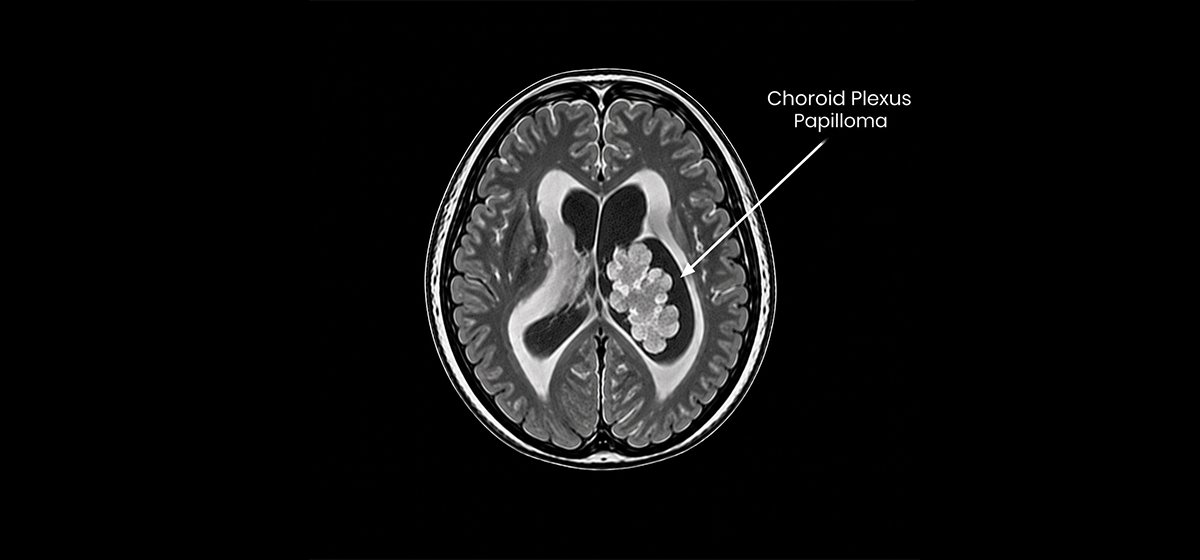
Choroid Plexus Papilloma
A tumor arising from the choroid plexus that may affect cerebrospinal fluid circulation within the ventricular system.
Learn More
Focused evaluation and treatment planning for conditions affecting the ventricular system and closely related brain structures, including choroid plexus papilloma, cerebellopontine angle tumors and colloid cysts. Care is guided by detailed neurological assessment, appropriate imaging, lesion characteristics and individualized treatment planning.
A tumor arising from the choroid plexus that may affect cerebrospinal fluid circulation within the ventricular system.
Learn More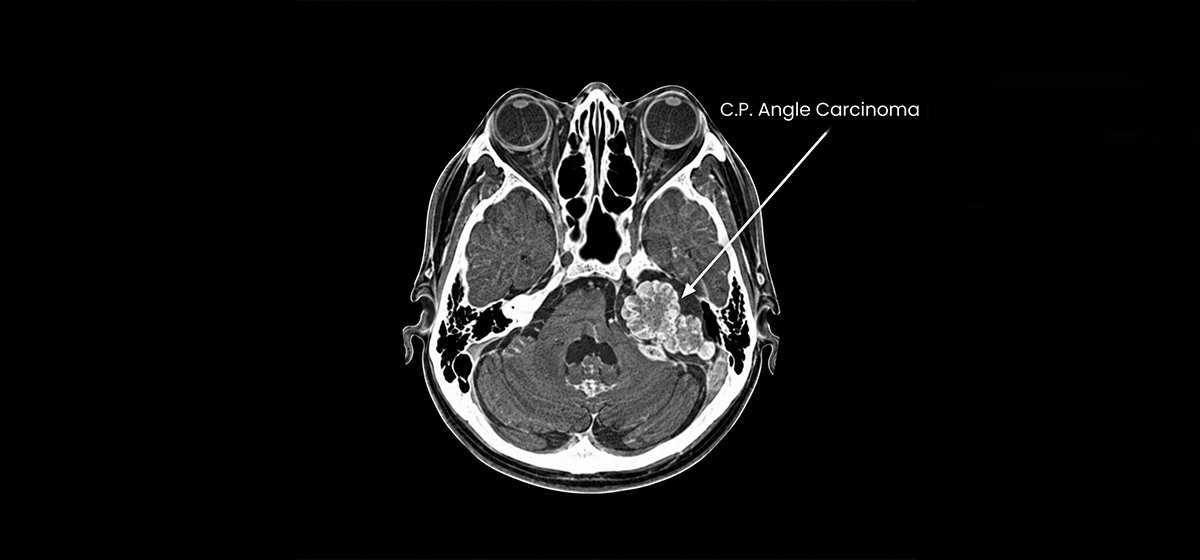
A tumor involving the cerebellopontine angle region near important cranial nerves and surrounding neurological structures.
Learn More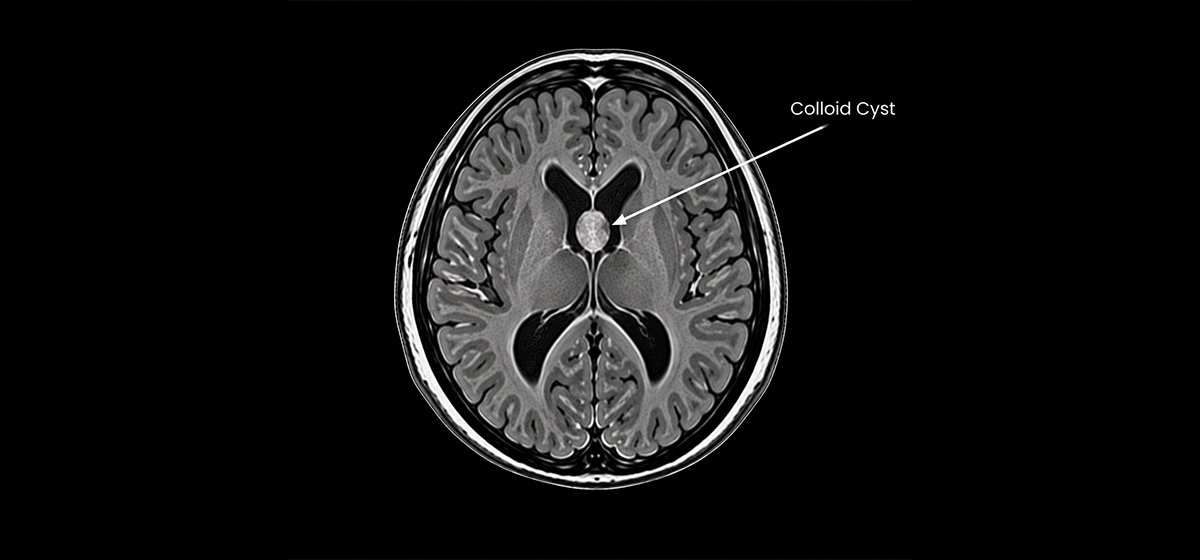
A cystic lesion commonly located near the third ventricle that may interfere with normal cerebrospinal fluid flow.
Learn More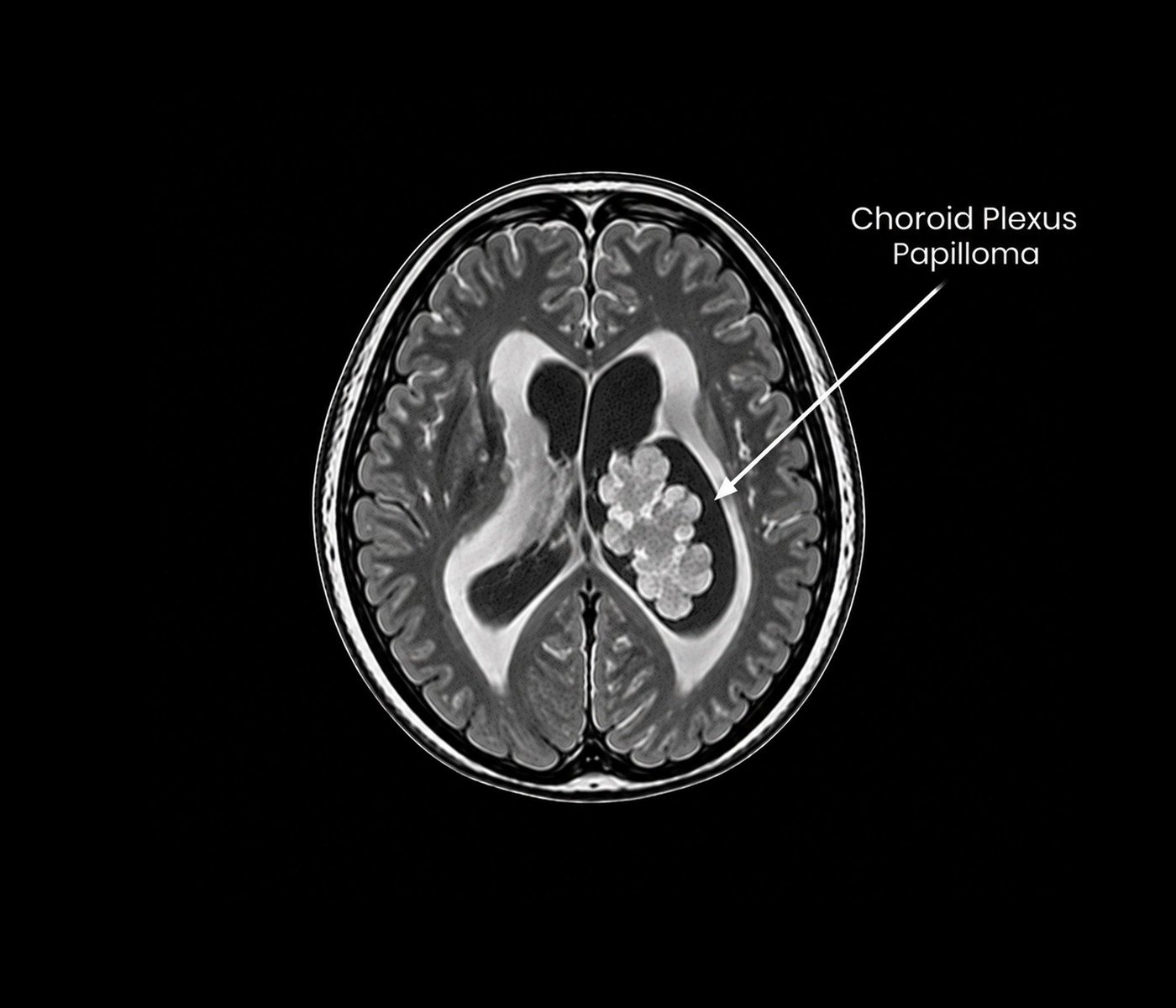
Choroid plexus papilloma is a tumor arising from the choroid plexus, the tissue involved in the production of cerebrospinal fluid within the ventricular system. Depending on its location and size, the lesion may influence normal cerebrospinal fluid circulation and can produce symptoms related to pressure within the brain.
Evaluation involves detailed neurological assessment and appropriate brain imaging to determine the location, size and relationship of the lesion to the ventricular pathways and surrounding structures. Treatment planning depends on the clinical presentation, imaging findings and individual characteristics of the lesion, with neurosurgical management considered when clinically appropriate.
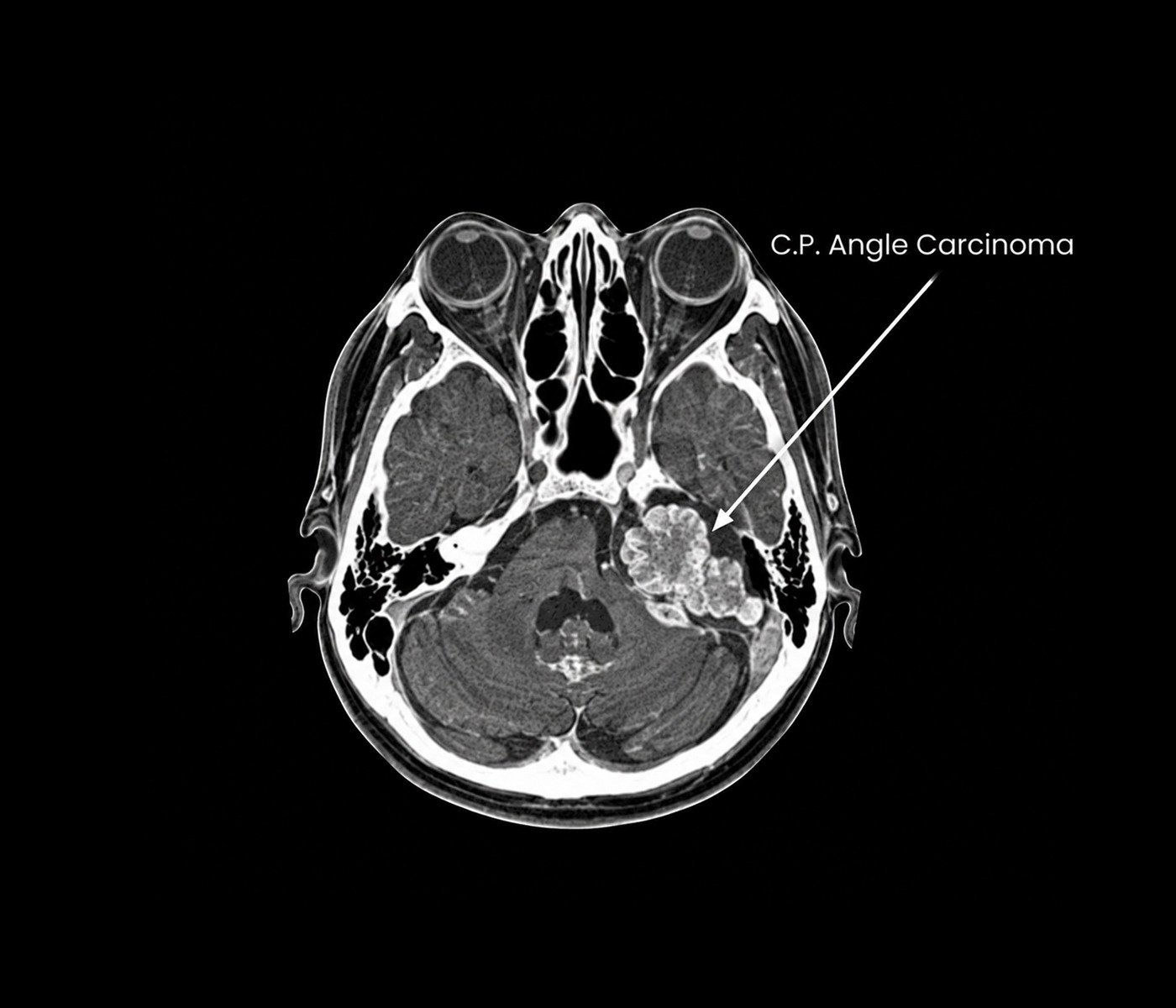
Cerebellopontine angle tumors develop in a region of the brain located between the cerebellum and pons, close to several important cranial nerves and surrounding structures. A tumor in this area may affect hearing, facial movement, balance or other neurological functions depending on its location and extent.
Evaluation involves neurological assessment together with appropriate imaging to understand the size, location and relationship of the lesion to nearby nerves and brain structures. Treatment planning is individualized according to the clinical findings, imaging characteristics and suspected nature of the lesion, with specialist management considered when appropriate.
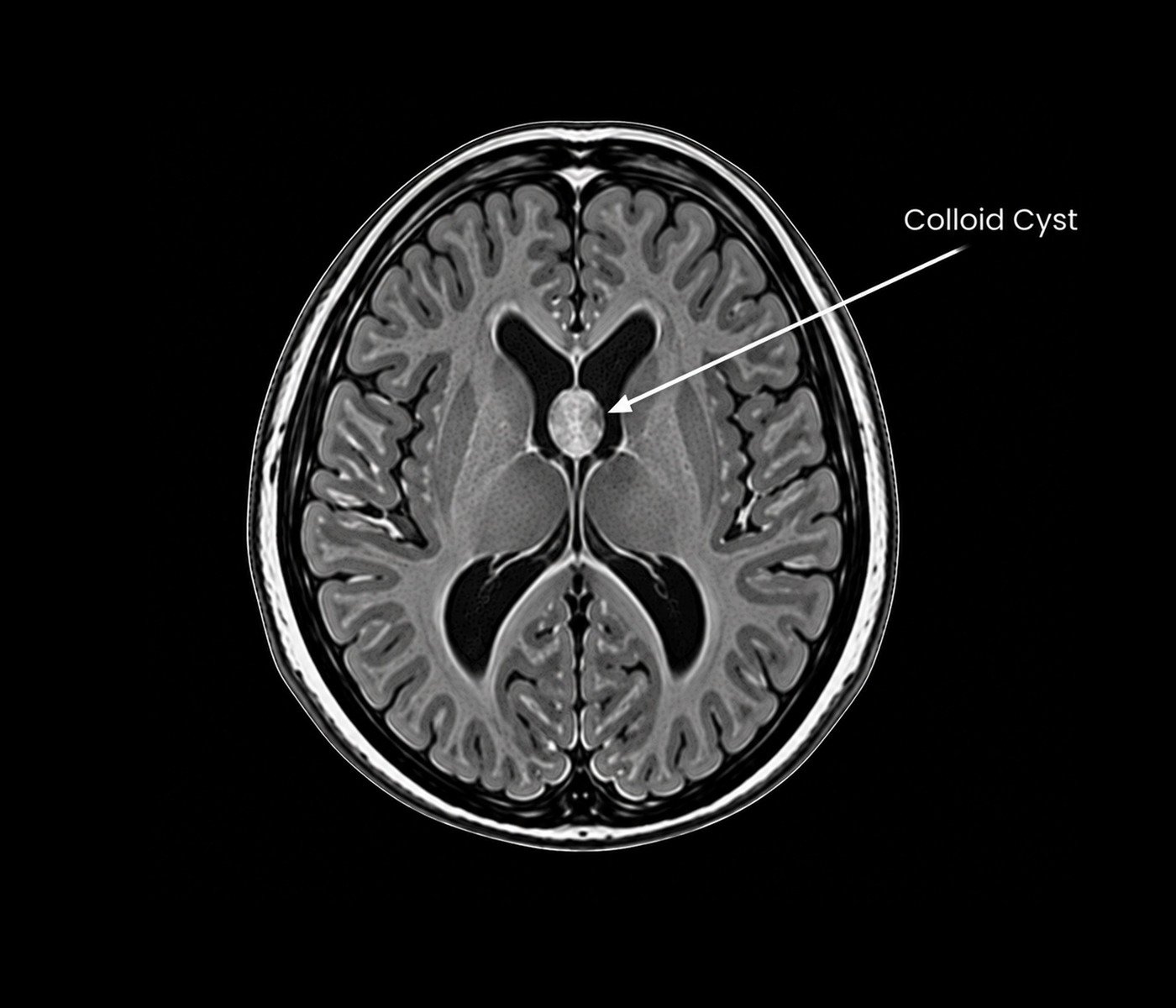
A colloid cyst is a fluid-containing lesion most commonly found near the third ventricle, close to an important cerebrospinal fluid pathway. Depending on its size and position, it may interfere with the normal movement of cerebrospinal fluid and can sometimes produce symptoms associated with increased pressure within the brain.
Evaluation generally involves neurological assessment and appropriate brain imaging to identify the cyst and assess its relationship to the ventricular system. Treatment planning depends on the size and position of the cyst, symptoms, imaging findings and individual clinical factors, with observation or neurosurgical management considered according to the clinical situation.